en
enVotre panier est vide.


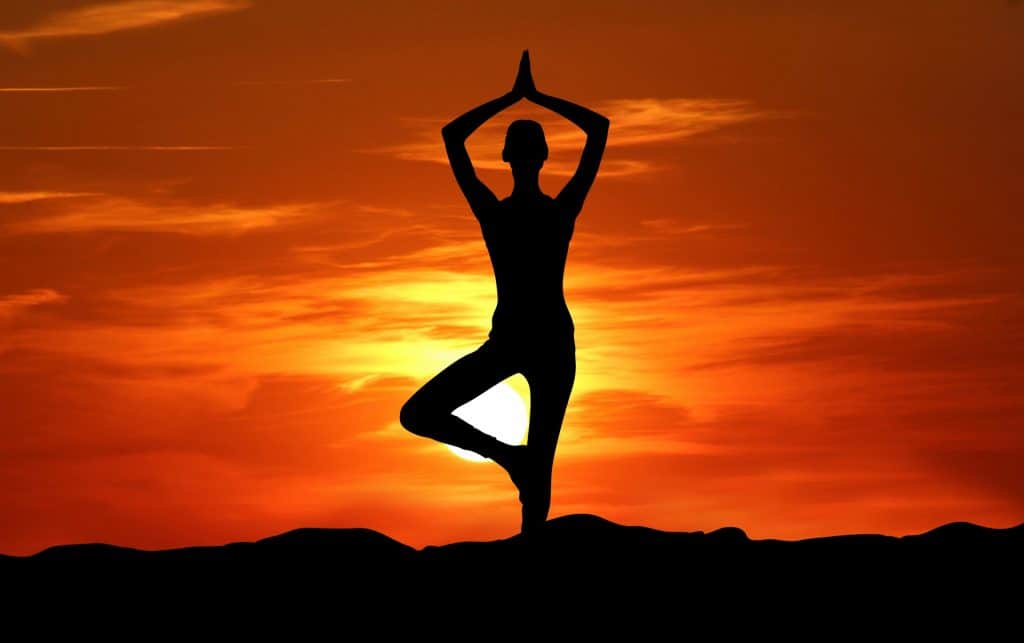

Meditation has gathered real momentum in recent years. It is discussed everywhere, by seasoned practitioners, curious newcomers and plenty of people who have never truly tried it at all. The trouble is that the more it circulates, the more assumptions cling to it. Before long, meditation can seem reserved for the ultra-flexible, the perfectly disciplined or the unusually serene. That is often where beginners lose heart before they have even begun.
In reality, many of the ideas that put people off are simply myths. They distort what meditation asks of us and make the practice feel far less accessible than it really is. Clearing away those misconceptions matters, not for the sake of theory, but because it allows you to approach meditation more calmly, more realistically and with a better chance of finding what it can genuinely offer.
In short: what are the biggest myths about meditation?
The biggest myths about meditation are that you need a perfect posture, an empty mind, complete silence, long sessions or total solitude. In reality, meditation begins with attention, not perfection.
- You can sit on a chair if that supports your body.
- Thoughts are part of practice, not proof that you failed.
- Guided sound can help beginners feel safer.
- A few minutes repeated often can matter more than rare long sessions.
To begin simply, create a meditation space at home and try the free Mental Reset Session.
Very often, what discourages people is not meditation itself but the image they have formed of it. They imagine a rarefied practice requiring the right room, the right posture, the right temperament and a kind of inner perfection they do not feel they possess. Yet most people who eventually come to value meditation begin in a far less polished way: distracted, slightly sceptical, sometimes tired, and often unsure whether they are doing it properly.
That is worth saying plainly, because it changes the emotional tone of the whole subject. Meditation does not ask you to become someone else before you begin. It asks only that you pause long enough to notice what is already there. Once that becomes clear, many of the intimidating myths start to lose their grip.
You Do Not Need the Lotus Position to Meditate
Meditation is not a flexibility test
One of the most common myths about meditation is that you have to sit in the lotus position, legs crossed perfectly, as if that were the only proper way to begin. It is an idea that puts off plenty of people before they have even tried. If you are not especially supple, or simply do not feel comfortable folding yourself into a yoga pose, it can seem as though meditation is reserved for the naturally flexible. In reality, meditation is not a gymnastic performance. You do not need to be an acrobat, and you certainly do not need to force your body into discomfort in order to do it properly.
The real aim of meditation is much simpler and much more personal: to turn your attention inwards, meet yourself more honestly and create a moment of calm. That inward pause matters far more than the exact position of your legs. If a posture helps you feel steady and relaxed, it is doing its job. If it distracts you because it hurts, it is missing the point.
- standing
- sitting on a chair or cushion
- lying down
Choose a posture that helps you settle
That is why meditation can be practised in several positions. You can do it standing, sitting or lying down, depending on what feels most natural and sustainable for you. What matters is not looking the part, but being able to stay present without unnecessary strain. For some people, sitting upright on a chair is far more realistic than sitting cross-legged on the floor. For others, lying down may be the easiest way to relax enough to begin. There is no contradiction there; the practice remains the same.
For a beginner, this can be a relief. You do not need to master an impressive pose before you are allowed to meditate. You simply need a position in which you can breathe, settle and pay attention to what is happening within. Once that pressure falls away, meditation becomes much more accessible. It stops being something for contortionists and starts becoming what it should be: a simple practice of presence and relaxation.
It also helps to remember that the body and the mind are not separate during meditation. If your knees ache, your back tightens or your hips are protesting, your attention will keep returning to that discomfort. There is nothing noble about enduring pain for the sake of appearances. A posture should support awareness, not compete with it.
Many experienced meditators quietly adapt their position all the time. They use cushions, sit against a wall, place both feet on the floor, or rest their hands in whatever way feels natural. The image of perfect stillness can be seductive, but in practice a sustainable posture is usually a modest one. Comfort does not make meditation less serious; it often makes it more honest.
Meditation Is Not About Emptying Your Mind
Thoughts do not disappear the moment you sit down
The idea of emptying your mind sounds appealing, and for many beginners it even feels like the whole point of meditation. In reality, that expectation usually sets people up for frustration. When you first begin, your thoughts will not suddenly fall silent, and trying to force them away often makes them feel louder.
That does not mean you are doing anything wrong. Quite the opposite: noticing the constant flow of ideas is often one of the first real experiences of meditation. Rather than trying to block every thought, let them come and go, and simply observe them. The aim is not to become blank, but to stop being pulled in every direction by what passes through your mind.
- Let thoughts arise without fighting them
- Notice them as they pass
- Bring your attention back gently
Progress comes with practice, not instant control
At the beginning, it is almost impossible to channel your thoughts with any consistency. That is normal, not a sign that meditation is beyond you. What matters is patience. With regular practice, you gradually develop a steadier relationship with your inner chatter, and over time it becomes easier to regain your focus without tension.
So if your mind wanders, do not treat it as a failure. See it as part of the exercise itself. Meditation asks for perseverance, especially in the early stages. Little by little, what first felt chaotic becomes more manageable, and you learn not to control every thought by force, but to relate to them with more calm and clarity.
For many people, this is the moment when meditation becomes more humane and less intimidating. You realise that the practice is not asking you to become thoughtless, which would be impossible, but to become less entangled. A thought appears, you notice it, and instead of following it all the way into worry, planning or self-criticism, you return. That return is the practice.
Some days the mind will feel especially busy. Old conversations resurface, tomorrow's tasks begin clamouring for attention, and random memories arrive for no obvious reason. None of this disqualifies the session. In fact, learning to sit kindly with that mental weather is often more valuable than chasing an ideal of perfect calm. Meditation does not remove your humanity; it teaches you how to stay with it more steadily.
Meditation Does Not Have to Happen in Perfect Silence
Silence can feel unsettling at first
Many beginners imagine meditation taking place in complete silence, as though any sound would ruin the experience. In reality, silence itself can feel uncomfortable when you are just starting out. Sitting quietly with yourself is unfamiliar for many people, and that discomfort does not mean you are doing anything wrong. It simply takes time to get used to the stillness and to the different quality of attention meditation asks of you.
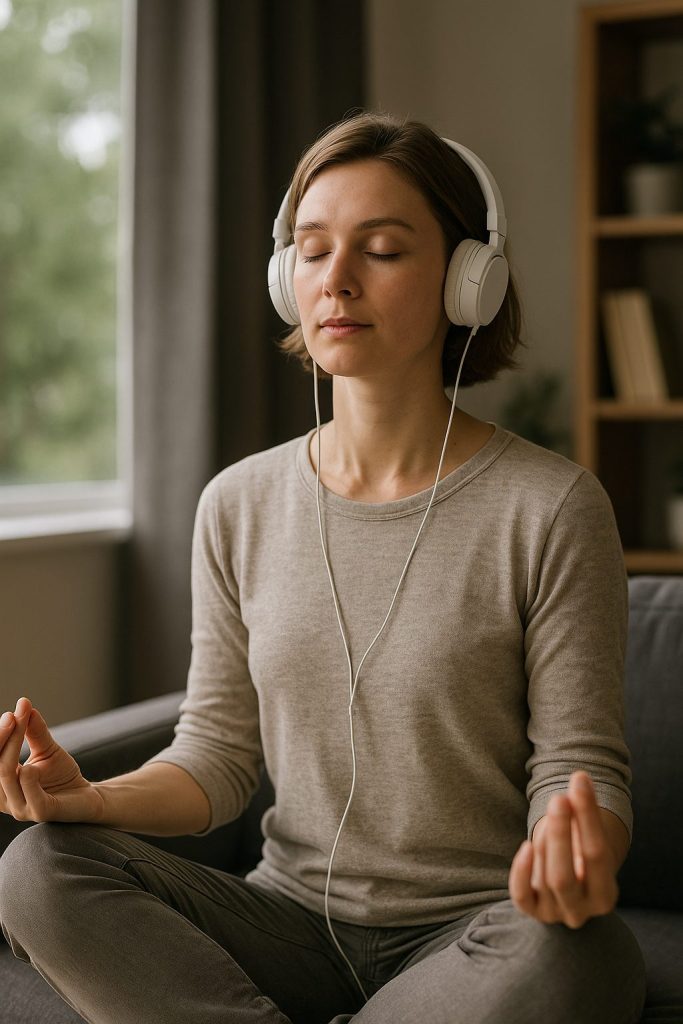
That is why it helps to approach the practice gradually. You do not need to expect instant ease, and you certainly should not assume you will excel straight away. Like any new habit, meditation becomes more natural over time. What feels awkward at the beginning often softens with regular practice.
Guidance can make the first steps much easier
In the early stages, it can be reassuring to meditate with support rather than trying to manage everything alone in silence. An audio guide is often enough to help you settle, follow a rhythm and avoid feeling lost in the process. For many beginners, that simple structure makes meditation far more accessible.
Better still, if you have access to a teacher or experienced guide, they can help you avoid common mistakes and give you a steadier start. The point is not to perform perfectly from day one, but to learn the practice in a way that feels manageable. Meditation is not reserved for people who can drop into deep silence immediately; it is something you grow into, step by step.
Related offer
OM Meditation
This music is based on the particular frequency of the sacred chant OM. Listening to this program, the term...
View product- Start with a short audio guide if silence feels too abrupt.
- If possible, learn with a teacher who can gently correct and reassure you.
- Give yourself time before expecting confidence or ease.
It is also worth loosening the idea that meditation requires a flawless environment. Real life is rarely silent. There may be traffic outside, a neighbour moving about, birds calling, floorboards creaking or the low hum of the house around you. These sounds do not necessarily spoil the practice. Often, they simply become part of the field of awareness.
There is a quiet maturity in learning not to wage war on every interruption. If a sound appears, you notice it and return, just as you would with a thought. Over time, this can make meditation feel less fragile. Instead of needing perfect conditions before you can begin, you learn to find steadiness within ordinary conditions, which is far more useful in daily life.
Meditation Does Not Need to Take Over Your Day
A few minutes can be enough to begin
Another common myth is that meditation demands long stretches of free time. It does not. Meditation is not a full-time occupation, and it does not require you to carve hours out of an already crowded day before it becomes worthwhile. Most people are juggling work, family, errands and the usual mental clutter that comes with modern life. When time already feels scarce, the idea of adding one more demanding practice can be enough to put you off before you have even started.
In reality, even a very short session can be useful. One minute of genuine pause can already change the tone of a moment. If you stop, settle yourself, slow your breathing and allow your body to soften, you are already meditating in a meaningful way. The point is not to perform for a set length of time, but to create a brief space in which you become calmer, more present and a little less carried away by the rush around you.
- one quiet minute
- a few slower breaths
- a deliberate moment of relaxation
Consistency matters more than duration
What often helps most is not the length of the session, but the regularity of the habit. A short practice you can actually keep is far more valuable than an ambitious routine you abandon after three days. If you begin with something simple and realistic, meditation becomes easier to fit into ordinary life rather than feeling like another task you are failing to complete. That is often what makes the difference for beginners.
So if you have been telling yourself that meditation is too time-consuming, it may be worth letting go of that idea. You do not need a perfect schedule or a free afternoon. You need a small pocket of calm, however brief, and the willingness to return to it. Stay still for a moment, regulate your breathing and let yourself relax. That is already a solid place to start, and for many people, it is exactly how a lasting practice begins.
There is something quietly liberating in this. Once you stop measuring meditation by duration alone, it becomes easier to weave it into the day without ceremony. A few attentive breaths before opening your laptop, a short pause in the car before going inside, two minutes sitting on the edge of the bed before sleep: these moments may look small from the outside, but they can have a real effect on how you move through the day.
Longer sessions can of course be valuable, and some people eventually want them. But they are not the entrance fee. The deeper habit is simply returning, again and again, to a brief moment of attention. That rhythm tends to matter more than any grand intention.
Meditating Alone Is Not the Only Way to Begin
Why solitude can make meditation feel harder at first
Another persistent myth makes meditation seem more intimidating than it really is: the idea that you must practise alone from the outset. Of course, solitary meditation is one valid approach, but it is not automatically the best one for everyone. For many beginners, starting alone can actually make things more difficult. The first distraction, the first moment of discomfort or the first doubt can be enough to make someone stop before the habit has had any chance to settle.
That is why this belief can put off people who might otherwise benefit from meditation. When you are on your own, it is easy to assume you are doing it badly the moment your mind wanders or you feel restless. In reality, these early obstacles are completely normal. What often helps most at the beginning is not isolation, but a setting that makes the practice feel more approachable and less fragile.
The value of group practice for beginners
Practising in a group can offer exactly that kind of support. When several people meditate together, there is often a shared sense of commitment that helps everyone keep going. If one person feels discouraged, the others can encourage them to stay with it rather than give up at the first hurdle. For someone new to meditation, that collective energy can make a real difference.
A group setting can create a reassuring atmosphere, especially for beginners who are still finding their bearings. It does not mean you can never meditate alone; rather, solo practice often becomes easier once you have gained a little confidence and experience. In that sense, meditating alone is not a prerequisite but something many people grow into over time.
- Group practice can reduce the urge to give up too quickly.
- Shared encouragement helps normalise early difficulties.
- Beginners often find it easier to build confidence with others first.
There is also comfort in discovering that other people struggle with the same things. In a group, you quickly see that restlessness, wandering thoughts and moments of awkwardness are not personal defects. They are part of learning. That shared normality can remove a surprising amount of pressure.
For some, the support may come not from a formal class but from meditating with a friend, joining an online session or simply following a regular guided practice with others. The exact format matters less than the feeling that you are not having to invent the whole path alone. Later, solitude may become deeply nourishing. At the beginning, though, company can be what makes the practice feel possible.
The Mental Waves Beginner Meditation Framework
The Mental Waves frame removes pressure from the first steps. Meditation is not a test of purity, flexibility or silence. It is a repeatable return to attention.
Related offer
Meditation - Relaxation set
All the Mental Waves® know-how in a single pack for quick and easy access to meditation and...
View product- Choose comfort: use a posture your body can maintain.
- Expect thoughts: the practice is returning, not never wandering.
- Use guidance: sound, voice or breath can support the first habit.
- Keep it short: consistency beats heroic duration.
For a guided sound-based doorway, explore Mental Reset sound rituals. If meditation is linked to a stressful moment, read How to Relax Before an Important Event.
How to Begin Without Believing the Myths
A reassuring first meditation does not need to look impressive. Choose one ordinary moment, sit in a way your body can tolerate and give yourself a simple anchor: breath, sound, bodily sensation or a short guided cue. The practice begins when you notice where your attention is and gently return it, even if that return happens many times.
It also helps to remove unnecessary pressure before you start. Do not judge the session by whether you felt peaceful the whole time. Judge it by whether you showed up, noticed what was happening and came back with a little kindness. That is a far more realistic measure of progress than chasing a blank mind or a perfect room.
If you are new, keep the first sessions short enough that you want to repeat them. Two or three minutes practised honestly can build more trust than a long session that feels like an ordeal. Over time, those small returns create familiarity, and familiarity is what makes meditation feel less mysterious and easier to repeat tomorrow with less resistance.
Editorial note from Mental Waves
Meditation can support attention and emotional regulation, but it is not a competition and not a cure-all. If silence or inward focus increases distress, adapt the practice or seek qualified support.
Conclusion
What falls away, in the end, is the idea that meditation belongs only to the especially flexible, the unusually disciplined or the already initiated. It is far less performative than many people imagine: not a test of posture, silence, mental blankness or endurance, but a practice of returning to yourself with a little more steadiness. That is precisely why so many of the common myths miss the point. They turn meditation into something intimidating, when in reality it often begins in a much smaller, more ordinary way.
There is nuance here, though. Meditation is not always easy, and it does ask for patience. Thoughts will still arrive, silence may feel awkward, and some people will find support in guidance or group practice before solitude feels natural. But none of that means you are doing it badly; it simply means you are learning. Strip away the myths, and what remains is something more accessible and more honest: a practice that can meet you where you are. Sometimes that is enough to begin.
And perhaps that is the most useful correction of all. Meditation is not a performance of calm but a relationship with attention, breath and inner experience that deepens over time. It can begin imperfectly, in an ordinary room, in an ordinary body, on an ordinary day when your mind is anything but serene. That does not make the practice lesser. If anything, it makes it real.
Once the myths lose their authority, meditation becomes less about living up to an image and more about making a small, sincere space for yourself. For many people, that is where the real benefit lies: not in looking meditative, but in feeling, even briefly, a little less scattered and a little more at home in their own presence.
Frequently Asked Questions About Meditation Myths
Do I need the lotus position?
No. You can meditate on a chair, cushion or bench. The best posture is stable, comfortable and alert.
Does meditation mean emptying the mind?
No. Thoughts will appear. Meditation is the practice of noticing and returning, not forcing the mind to become blank.
Does meditation need complete silence?
No. Silence can help, but guided sound, breath cues or ambient noise can also support practice.
How long should beginners meditate?
A few minutes is enough to begin. Short, regular practice is usually more helpful than occasional long sessions.
Can I use guidance?
Yes. Guidance can help beginners feel oriented and less alone, especially when silence feels difficult.
Is mind wandering a failure?
No. Wandering gives you the chance to practise returning. That return is the heart of meditation.
Do I need a special meditation room?
No. A repeatable corner or chair is enough if it helps you settle and practise regularly.
Can meditation feel uncomfortable?
Yes. Some people meet restlessness, emotion or discomfort. Adjust the practice gently and seek support if distress feels intense.
What is the main takeaway?
Meditation is simpler than its myths. Begin comfortably, expect thoughts, use support and return to the practice one breath at a time.