en
enVotre panier est vide.



We all have our own ways of feeling better. For some, it is music, food or the company of other people; for others, relief arrives more quietly, in the form of a walk beneath the trees. It may seem almost too simple to matter, yet time spent in the woods can bring a very real sense of ease. More and more people are turning back to this kind of experience, and not by accident: being among trees offers a form of wellbeing that is both immediate and deeply grounding.
That return to nature also speaks to something larger. As modern life has pulled many of us further away from the natural world, the forest has come to feel less familiar than it once did. And yet, for many people, the pull remains strong — sometimes as a conscious wish to step away from urban pressure, sometimes as a more instinctive need to breathe, slow down and recover a sense of balance. In that sense, walking in the woods is not just a leisure activity; it can be a way of renewing a connection that has too often been neglected.
Why the pull of the forest feels so strong
A call that each person experiences differently
This renewed connection with nature — sometimes described as the call of the trees and the forest — does not arrive in the same way for everyone. For some people, it becomes a deep and pressing need, almost impossible to ignore. That feeling can be sharpened by a growing awareness of how badly the natural world is being damaged, and by a desire, however modest, to move back towards something more respectful and more alive.
In short: how can trees support wellbeing?
Trees can support wellbeing by offering cleaner air, sensory calm, shade, rhythm and a living environment that helps attention settle. The phrase trees that heal should be understood carefully: they do not heal on command, but time among trees can create conditions that support recovery and emotional regulation.
- Forest settings reduce noise and visual overload.
- Natural colour, texture and scent can calm attention.
- Walking among trees encourages slower breathing and movement.
- Tree contact can become a simple grounding ritual.
For the related Japanese practice, read Shinrin-Yoku and Sylvotherapy. For a short reset cue, try the free Mental Reset Session.
For others, the return to nature is far more instinctive. There is no grand explanation behind it, only the sense that being among trees feels right. When daily life becomes too urban, too noisy or too enclosed, the woods offer a different kind of space — one that asks very little of us and gives back a great deal in return.
Stepping away from the city to feel restored
That is often why so many people feel drawn outdoors when they need to escape built-up surroundings. In those moments, nature offers exactly what is missing: room to breathe, distance from pressure and a quieter rhythm. Even a simple walk beneath the trees can create the feeling of stepping out of the constant demands of modern life and into something steadier.
It is also a way of restoring ourselves when we feel drained. We do not always need something complicated in order to feel better; sometimes we simply need to be somewhere less artificial, less hurried and more grounding. The forest answers that need in a very direct way, which is why this call of nature can feel so immediate, and so deeply personal.
- A need to get away from urban environments
- A wish to reconnect with a more natural rhythm
- A simple way to recharge and feel better
How Trees and Natural Spaces Help Us Feel Better
Cleaner air, gentler surroundings
Nature does more than offer beautiful scenery. Simply spending time among trees can support both physical and mental wellbeing, even through something as ordinary as a walk in the woods. One of the most immediate differences is the air itself. After the pollution many of us breathe in urban settings every day, being in a forest or a green space can feel like a real change of atmosphere. The original idea behind this is simple: trees help make the air feel purer, notably through natural substances described here as bactericides and fungicides, which enrich the environment in a way that is beneficial for the body.
That change of setting matters just as much as the air. Nature gives us a kind of quiet that is increasingly hard to find elsewhere. Away from traffic, noise and constant stimulation, we often feel calmer and less stressed than we do in the city. For some people, that sense of relief goes further still: the heaviness created by the world around them seems to ease, if only for a while, and they can finally breathe a little more freely.
- Cleaner, fresher-feeling air
- Less noise and agitation than in urban life
- A simple way to unwind through walking

The calming effect of colour and atmosphere
Part of nature’s benefit is difficult to measure, but easy to recognise once you feel it. The balance of colours in a woodland, the shifting light, the textures of leaves and bark, and the overall harmony of the landscape can create a deep sense of serenity. It is not always something we can explain logically, yet many people notice the same thing: being surrounded by trees helps them settle internally.
That is why even a modest outing can have a real effect. A short family walk, a gentle hike with friends, or simply time spent in a green setting can restore a sense of calm that everyday life often wears down. Nature does not only distract us from stress; it can help us recover from it. In that sense, the benefits of trees are not limited to what they release into the air, but also include the peaceful atmosphere they create around us.
Trees Are Living Beings, Not Just Part of the Scenery
More alive than we usually imagine
It is easy to think of trees as a backdrop: beautiful, calming, useful. But they are also living beings in their own right. They breathe, adapt and respond to what surrounds them. In their own way, they can defend themselves, and they can even help one another to recover, which makes our relationship with them feel less distant than we often assume.
Seen like this, a forest no longer feels like a simple collection of trunks and leaves. It becomes a living environment, full of quiet interactions that usually escape our notice. That idea alone can change the way we walk among trees: with a little more attention, and perhaps a little more respect for the life unfolding there.
- Trees can defend themselves.
- They can support one another.
- They are part of a living, responsive environment.
What their hidden life can teach us
Trees do not only grow side by side. They can also communicate with one another, which is one of the most striking ideas raised in this section. If you would like to explore that world in more depth, Peter Wohlleben’s book The Hidden Life of Trees (La Vie secrète des arbres) is a valuable place to start. It offers a clearer sense of how trees function and how rich their relationships may be.
Reading work like this can gently shift our perspective. We begin to see not only how trees live, but also the form of care and generosity the natural world extends to us. That does not mean idealising nature. It simply means recognising that the environment is not inert. It supports, shelters and steadies us in ways we often overlook.
How Trees Support Focus, Mood and Mental Development
Nature does more than calm us down
Beyond the benefits linked to the chemical composition of trees and forests, time spent in nature also seems to sharpen our ability to focus. It can help us feel more mentally present, while also playing a part in regulating mood. That matters more than it may first appear: when the mind is less overloaded, concentration often comes more easily.
This effect is not limited to adults looking for a breather from urban life. Trees and green spaces also appear to support children’s development, particularly when it comes to attention and broader cognitive functioning. In other words, nature is not only soothing; it may also create the conditions in which the mind works a little better.
- Focus: nature may help attention feel steadier
- Mood: green surroundings can support emotional balance
- Development: children may benefit cognitively from regular exposure
What the research suggests for children
To explore this more concretely, the laboratory of Dr Mark Nieuwenhuijsen carried out a study involving 2,600 pupils from 36 different schools. The findings were striking: the children who were most exposed to nature showed stronger abilities than average. The study suggests that regular contact with green environments may have a measurable effect on how children think, learn and process information.
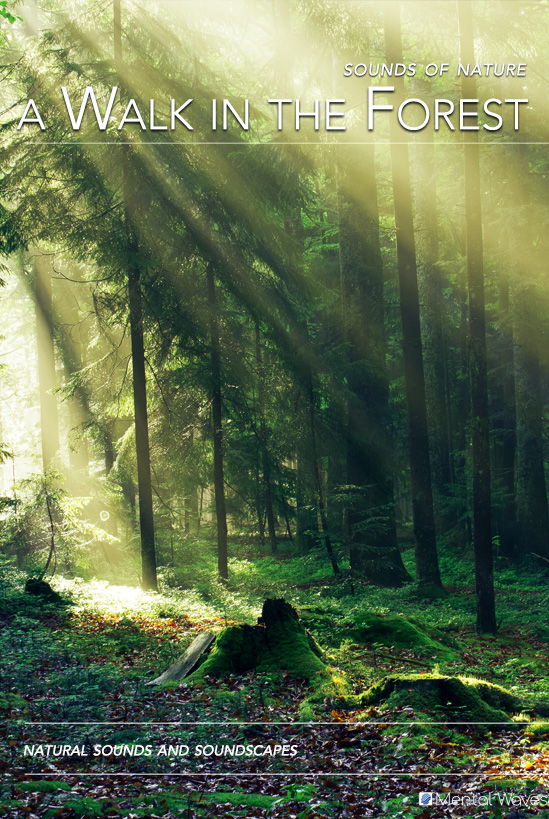
Related offer
Forest walk
"Tranquillité et paix de la forêt" Vous explorez un sentier qui s'enfonce dans la forêt. Vous entendez coucous,…
View productMore precisely, the results indicated a 6% improvement in working memory among these children, along with a 1% improvement in concentration. These figures may seem modest at first glance, but they point in the same direction: trees and natural spaces are not just pleasant surroundings. They may also offer real support for attention, memory and the healthy development of cognitive skills.
Sylvotherapy: finding relief in the forest
A simple practice rooted in stepping away
To go a little further, it is worth looking at sylvotherapy, a tree-based practice often described as having almost miraculous benefits. At heart, the idea is simple: many of us feel the need to change our surroundings because urban life can become mentally and physically draining. Sylvotherapy was developed as a way of helping us reconnect with a calmer environment, by spending intentional time in nature and using a few gentle methods to truly recharge.
You can practise it in a way that suits your own possibilities and beliefs. Most often, it takes place in a restful setting through a quiet walk, or through what the Japanese call Shinrinyoku — more commonly known as a forest bath. The point is not performance or distance, but presence: allowing the body and mind to settle in a natural space that asks very little of us and gives a great deal in return.
- a slow walk among trees
- a forest bath inspired by Shinrinyoku
- quiet time in nature to recover and reset

What research and experience suggest
Research carried out in Japan since the 1990s has helped give this practice a more concrete footing. According to those findings, people with diabetes who regularly took part in forest bathing over several years saw their blood sugar levels fall. In the same spirit, people experiencing depression may feel better simply after spending a day in the forest. These results help explain why so many people experience woodland not just as a pleasant backdrop, but as a place that can genuinely support recovery.
That does not mean the forest replaces every other form of care. What it does suggest, however, is that time among trees can become a meaningful support for wellbeing — something accessible, restorative and deeply human. When life feels saturated by noise, pressure or overstimulation, sylvotherapy offers a quieter response: not escape for its own sake, but a way of returning to ourselves through the living world.
Tree Hugging, Energy and the Quiet Power of Being Near Trees
A simple practice that belongs to sylvotherapy
Tree hugging, as it is commonly called, is one of the practices associated with sylvotherapy. The idea is disarmingly simple: you choose a healthy tree, almost at random, and embrace it sincerely for a few moments. For some people, that gesture may sound unusual at first. Yet it reflects a very direct way of reconnecting with the living world, using nothing more complicated than presence, touch and attention.
You do not necessarily need to travel deep into a forest to try it. If you do not have time for a full forest bath, trees in a nearby park can offer a similar moment of pause. What matters here is less the setting than the intention: allowing yourself a brief encounter with nature that helps you slow down, breathe and feel a little more grounded.
- Choose a tree that looks healthy and stable
- Approach it calmly and without rushing
- Stay there for a few quiet moments
Why these practices still speak to us
Another approach sometimes mentioned in these moments of rest in the forest is that of energetic vibrations. This idea suggests that trees and plants carry forms of energy that may influence our physical and emotional state. Whether one sees this in spiritual terms, symbolic terms or simply as a personal experience of calm, the underlying intuition remains the same: being close to trees can affect us more deeply than we often assume.
At a time when technological progress shapes so much of daily life, it is worth remembering that nature may still offer forms of relief and restoration that we underestimate. For our own future, and for that of the generations to come, we have every reason to protect it. Many cultures around the world have long regarded trees as sacred, and that reverence says something important: beyond their beauty, they are part of what helps us live, recover and feel whole. We would do well to respect that, and to make the most of their virtues while we still can.
How to Practise Forest Time Without Overcomplicating It
A useful forest pause does not need to become a ritual full of rules. The most important shift is to stop using nature as another thing to consume quickly. The body needs a little time to understand that the pace has changed.
Start with a short walk or a quiet place under trees. Put the phone away if it is safe to do so, soften the gaze and let attention move through sound, air, light, texture and breathing. This makes the practice simple enough to repeat.

Related offer
Zen Creek
Calm, serene atmospheres where the song of water reminds us of the source of life. The birds...
View product- Choose a place where you feel physically safe.
- Walk more slowly than usual.
- Notice one tree, one sound and one bodily sensation.
- Leave before the practice becomes effortful.
The point is not to force calm. It is to give the nervous system fewer demands at once. In that sense, trees help by changing the environment around attention: less speed, less noise, more rhythm and a stronger sense of being held by the living world.
For people who are very stressed, this can work well with a short reset practice before or after the walk. The free Mental Reset Session can become a bridge between daily pressure and a calmer return to the body.
The Mental Waves Forest Grounding Framework
The Mental Waves frame is to treat forest time as a sensory reset. When people speak of trees that heal, the benefit does not come from forcing a mystical experience; it comes from giving the body quieter signals than the city or screen usually provides.
- Slow the pace: walk or stand without turning the forest into another task.
- Open the senses: notice scent, texture, light, temperature and birdsong.
- Let attention widen: stop narrowing everything to problems and productivity.
- Return gently: bring one calmer rhythm back into the rest of the day.
For a broader reflection on receiving nourishment from nature, read Nourishing Yourself Deeply. If stress is the main reason you seek the forest, continue with How to Free Yourself from Stress.
Editorial note from Mental Waves
This article is educational and reflective. Forest time may support wellbeing, but it should not be presented as a substitute for clinical care when symptoms are persistent or severe.
Conclusion
What stays with us, in the end, is not the idea that trees somehow solve everything, but that being among them can restore something we easily lose: attention, calm, perspective, and a more grounded relationship with the living world. Part of that may be explained by air quality, sensory quiet, or the effects of green spaces on mood and concentration; part of it also belongs to experience, to that harder-to-measure feeling of being steadied simply by stepping out of the urban rush and back into something older and less demanding.
That is why practices such as forest bathing or even tree hugging continue to resonate, whether we approach them through science, intuition, or a mixture of both. The deeper point is perhaps simpler than any method: trees are not just background scenery, but living presences that invite us to slow down and pay attention differently. To care for them is not only an ecological gesture; it is also a way of protecting one of the quiet places where we may still learn how to breathe again.
Frequently Asked Questions About Trees and Wellbeing
Can trees really heal?
Trees do not heal on command or replace care, but time among trees can support calm, recovery and emotional regulation.
Why do forests feel restorative?
Forests reduce noise, visual overload and pressure while offering rhythm, shade, natural scent and a calmer sensory field.
What is tree grounding?
Tree grounding is a simple practice of slowing down near a tree, noticing the body and using contact with nature to settle attention.
Is tree hugging required?
No. Some people enjoy it, but walking slowly, sitting nearby or observing a tree can be enough.
How long should someone spend among trees?
Even a short walk can help, but regular contact is usually more meaningful than a rare long visit.
Can nature improve focus?
Research suggests natural settings may support attention and mood, especially when they reduce overstimulation.
How is this related to shinrin-yoku?
Shinrin-yoku, or forest bathing, is a structured way of using forest contact as a mindful sensory practice.
Can forest time help stress?
It can help some people step out of mental pressure and return to a calmer rhythm, especially when practised without hurry.
What is the main takeaway?
Trees support wellbeing by changing the sensory environment around the body and inviting slower, more grounded attention.