en
enVotre panier est vide.


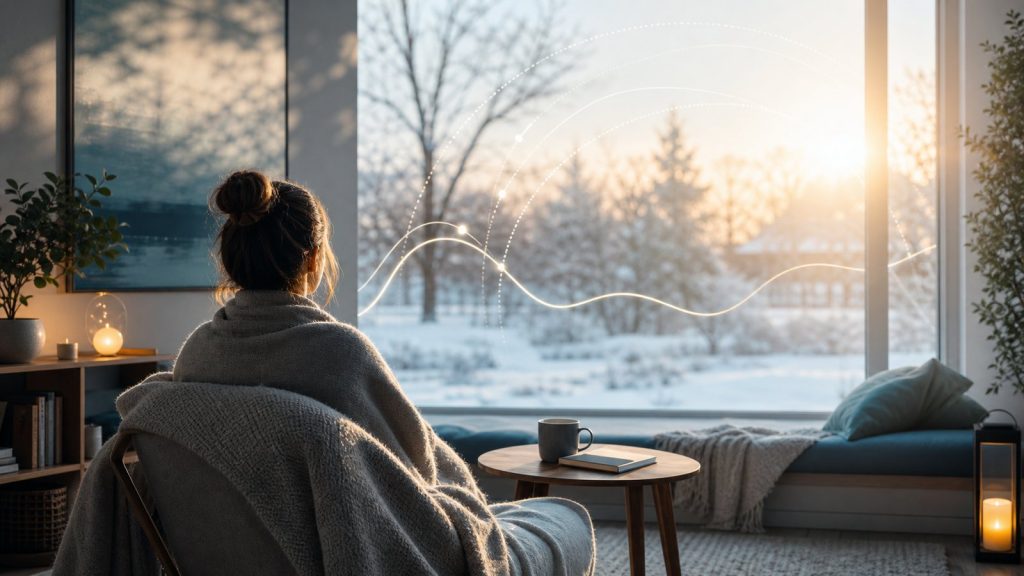
“Where the sun does not go, the doctor does,” says a Czech proverb. It captures, rather neatly, a reality that is still too often underestimated: our relationship with natural light can shape both mood and mental balance. Seasonal Affective Disorder, or SAD, is commonly associated with winter depression, and for good reason. As autumn gives way to winter, days become shorter, duller and markedly less bright. In scientific terms, the contrast is striking: summer daylight may reach around 100,000 lux, while winter days can struggle to approach 2,000. Indoors, the levels are lower still, whether at home or even in a well-lit office.
That gap is not trivial; it may affect the brain’s regulation of energy, sleep and emotional state more than many people realise.
Yet the picture is more complex than the familiar image of winter gloom. Seasonal affective symptoms do not belong exclusively to the colder months: in some people, they may also emerge in summer, linked to excessive brightness, intense heat, or both. This reminder matters, because SAD is not simply a passing dip in morale or a seasonal bad mood. In its more severe forms, it can be associated with profound psychological distress, including suicidal thoughts. This first part looks at that broader reality with the nuance it deserves, placing lived experience alongside what research has observed about light, the body clock and the uneven way these disorders affect different people and regions.
In short: what are the key signs and causes of seasonal affective disorder?
Seasonal affective disorder signs can include low mood, heavy fatigue, sleep changes, reduced motivation, carbohydrate cravings and withdrawal during darker months. The causes are not reduced to one factor, but daylight, circadian rhythm, geography and personal vulnerability all matter.
- Lower daylight can disturb the body clock.
- Sleep and energy may shift before mood is fully recognised.
- Risk varies by latitude, age, sex and personal history.
- Persistent symptoms deserve support rather than self-blame.
For the second part on support options, read Seasonal Affective Disorder Supportive Options. For a short grounding cue, try the free Mental Reset Session.
Who Seasonal Affective Disorder Affects Most
Marked differences by sex, age and geography
If we look at the available figures and the observations reported by researchers, Seasonal Affective Disorder does not affect all groups in the same way. One of the clearest disparities concerns sex: around 70 to 80% of people affected by seasonal depression are women. By contrast, children and teenagers appear to be less commonly affected, with estimates of roughly 2 to 3% from the age of ten. These patterns should be read with caution, but they do suggest that vulnerability to seasonal shifts in light, mood and energy may vary significantly from one population to another.
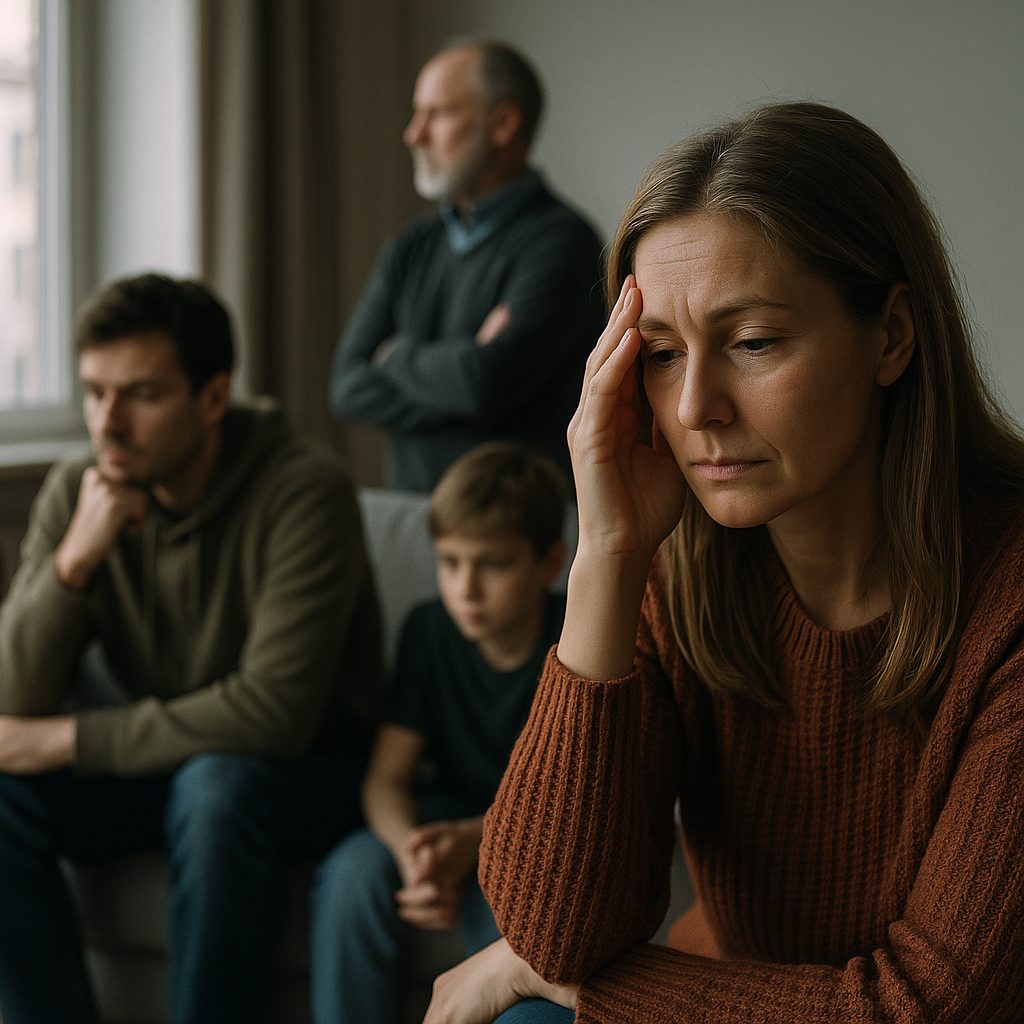
Geography also matters. Scientists note that prevalence changes across the globe, with the equator often used as a useful reference point. The further one moves towards the Arctic, the more daylight hours fluctuate over the course of the year, and the more pronounced the contrast between seasons becomes. This may help explain why higher rates are reported in parts of North America such as Canada and Alaska. In those regions, around 18% of the population is said to experience seasonal depression, with effects that can be felt both psychologically and physically: persistent tiredness, low motivation, mental fragility, reduced energy and the sense of constantly running flat.
- Women account for around 70 to 80% of reported cases.
- Children and adolescents are less often affected, at roughly 2 to 3% from age ten.
- Rates tend to rise in regions with stronger seasonal variation in daylight.
Why prevalence figures vary from one region to another
In Europe, the estimated proportion of people affected is lower, at around 1.3 to 4.6% of the population. In the United Kingdom, the figure often cited is 3 people in 100. These differences do not necessarily mean that one population is immune and another is not; rather, they point to a condition that seems closely associated with the rhythm of natural light exposure, latitude and seasonal change. In practical terms, the lived experience can range from a passing but recurrent winter slump to a much heavier form of depression that interferes with concentration, initiative, emotional regulation and everyday functioning.
Another important point is that seasonal worsening can also appear in people who already live with another mood disorder. As passeportsante.net notes, among people with major depression or bipolar disorder involving depressive episodes, seasonal exacerbation is seen in around 10 to 15% of cases. That reminder matters, because it helps distinguish ordinary winter weariness from a more structured depressive pattern. In other words, SAD is not simply about disliking grey weather; for some people, it is associated with a genuine shift in mood, energy and mental balance that follows the seasons closely enough to deserve careful attention.
How Light Disrupts Mood and the Body Clock
Not just a winter slump
First, it is important not to confuse Seasonal Affective Disorder with the ordinary winter blues, a passing dip in mood or the short-lived irritability many people notice during the darker months. SAD is a more specific condition, and research has been trying to clarify its mechanisms for decades. Since 1984, when Dr Norman E. Rosenthal, psychiatrist and researcher at the National Institute of Mental Health, helped identify the link between light and depression, scientists have continued to explore the subject. Much remains to be understood, but one point stands out consistently: the duration of natural daylight and the way its intensity changes across the seasons appear to play a major role.
Researchers have also suggested that a low level of serotonin in the brain may contribute to seasonal depression. This helps explain why SAD is not simply a matter of disliking grey weather. It seems to involve a broader disturbance in mood regulation, energy and mental state. More than 35 years ago, Dr Rosenthal highlighted the importance of light exposure in shaping both our internal biological clock and our emotional balance. That insight still underpins much of what we know today.
Why reduced light can affect mood and sleep
As passeportsante.net notes, Dr Rosenthal observed that exposure to broad-spectrum artificial light could benefit people experiencing depressive symptoms during winter. The reason is that light is deeply involved in regulating the body’s internal clock. This clock helps organise a range of functions according to precise rhythms, including the sleep–wake cycle and the release of several hormones at different times of day. In practical terms, light is not just something we see; it is also a signal the brain uses to regulate attention, alertness and physiological balance.
Once light enters the eye, it is converted into electrical signals and sent to the brain, where it can influence neurotransmitters. One of them, serotonin, often referred to as the “happiness hormone”, plays a part in mood regulation and also influences the production of melatonin, the hormone involved in sleep and wakefulness. Melatonin secretion is normally suppressed during the day and stimulated at night. When natural light is lacking, this finely tuned system may become disrupted. Such hormonal and circadian dysregulation can be significant enough to trigger symptoms associated with depression, which is why reduced daylight may affect both how we feel and how we function.
- Light helps regulate the internal body clock.
- Serotonin is associated with mood regulation.
- Melatonin helps govern sleep and wake rhythms.
Risk Factors and Warning Signs to Watch For
Who may be more vulnerable to seasonal depression
The triggers linked to seasonal affective disorder are multiple, and they do not affect everyone in the same way. People most at risk are often those living in countries with limited winter sunlight and spending much of their time in places with very little natural light. The pattern described in the research also shows that women are more frequently affected. At the same time, the reverse situation can exist too: for some people, an excess of light and intense heat may also be difficult to tolerate, which helps explain why seasonal depression is not always confined to the darker months.

Related offer
Mental Dynamism and Good Mood
The action of our audio recording affects the limbic system, where our emotional keyboard is located. The...
View productAnother striking point is that SAD may run in families, suggesting that some people can, in a sense, “inherit” a greater vulnerability from a close relative. In most cases, symptoms appear chiefly during winter, especially from November to January, then ease with the arrival of spring or after time spent in a sunnier country. This seasonal rhythm is one of the clearest clues that we are dealing with more than an ordinary dip in morale.
- Living in regions with weak winter sunlight
- Working in environments with little natural light
- Possible family vulnerability
- In some cases, excessive light or intense heat
The warning signs that should not be dismissed
The symptoms most often associated with SAD are both psychological and physical. They may include irritability, low drive, reduced initiative, drowsiness, chronic fatigue, a persistently gloomy mood, poor concentration and a stronger need for sleep. Some people also notice stress-related reactions that can lead to impulsive or irrational behaviours around food, alcohol or other coping habits. Others withdraw into solitude, lose interest in work or daily activities, avoid social situations, experience a drop in libido, or feel a growing sense of hopelessness. Taken together, these signs can affect attention, emotional regulation and day-to-day functioning far more deeply than a simple case of the winter blues.
More seriously, suicidal thoughts may also occur in people affected by SAD, which is why these symptoms should never be minimised. The original text refers to the so-called Scandinavian paradox: countries often described as among the happiest in the world are also associated with high suicide rates, with Norway cited as the happiest country in a UN study, alongside figures mentioned for Finland (28.9%) and Denmark (16%), compared with 2.5% in Kuwait and 0.3% in Iran. Whatever the limits of such comparisons, the underlying point remains important: outward wellbeing does not always protect against severe inner distress.
In that sense, the Danish proverb, “One turns more readily towards the rising sun than the setting sun”, retains a certain wisdom.
- Irritability, low mood and loss of motivation
- Sleepiness, chronic fatigue and poor concentration
- Social withdrawal, reduced interest and hopelessness
- In severe cases, suicidal thoughts
What the Next Part Will Cover
The main treatment approaches we will explore
In the next part, we will look more closely at the treatments and practical strategies most often considered for Seasonal Affective Disorder, also referred to here as recurrent winter depression. The focus will include recommended physical exercise, basic preventive measures, light therapy, regular exposure to natural daylight, air conditioning in periods of excessive heat, and travel to sunnier regions when that is realistic. These approaches are often discussed because they may help reduce symptoms and support better emotional and physical regulation in people affected by SAD.
This follow-up matters because seasonal depression does not affect everyone in the same way. For some, the key issue is the lack of winter light; for others, intense brightness or oppressive summer heat may also play a part. A clearer look at these options can therefore help distinguish what may offer relief, what may support prevention, and how everyday conditions such as movement, light exposure and climate can influence mood, energy and the body’s internal rhythms.
- light therapy and natural daylight exposure
- physical exercise and basic preventive habits
- cooling strategies and travel to sunnier places
Why sunlight remains central to the discussion
Many traditional sayings about the sun endure because they reflect a simple lived truth: light can shape how we feel, how alert we are and how well we recover our balance. That does not mean sunlight is a instant solution, but it does explain why it remains central to any serious discussion of seasonal depression. In that spirit, the Provençal proverb still rings true: “An hour of good sunshine dries a great deal of washing.”
The next part will build on that idea in a more concrete way, with a closer look at the measures most commonly used to ease the burden of SAD and help people cope more steadily through difficult seasons. To be continued.
How to Notice the Pattern Before It Takes Over
The first sign of seasonal affective disorder is not always sadness. Some people first notice that mornings feel heavier, concentration drops or simple routines require much more effort. Others notice sleep, appetite or social withdrawal before they name the mood change.
Related offer
Anti-depression, anti-depression
Help for nervous, seasonal or depressive breakdowns. A revolutionary new 100% solution that is non-chemical, effective and has no...
View productThat is why tracking the pattern matters. If the same cluster returns around the same season, the issue may be less about personal weakness and more about rhythm, light exposure and nervous system load.
- Notice when energy begins to fall.
- Watch for sleep timing and appetite changes.
- Track whether motivation improves when daylight increases.
- Ask for help when symptoms affect work, relationships or safety.
The Mental Waves Seasonal Awareness Framework
The Mental Waves frame is to read seasonal mood through signals rather than judgement. The body is responding to light, rhythm, recovery and context. When those signals become clearer, the response can become kinder and more practical.
- Light: observe how daylight exposure affects energy.
- Rhythm: protect wake time, meals and sleep cues.
- Mood: name emotional changes early, without shame.
- Support: use daily practices and professional care when needed.
For biological timing, continue with Circadian Rhythms and the Body Clock. If sleep becomes difficult, read Natural Sleep Aids.
Editorial note from Mental Waves
This article is educational. Seasonal affective disorder can be serious, especially when low mood is persistent, disabling or linked with hopeless thoughts. In those cases, qualified care matters.
Conclusion
Seasonal affective disorder emerges here as something more complex than a passing winter dip in mood. The article shows how light is not a minor comfort but a regulating force, closely tied to sleep, energy, attention and emotional balance through the body clock and related neurochemical rhythms. It also keeps an important nuance in view: while winter remains the most familiar setting, seasonal distress does not always follow a simple script, and in some cases excessive light or heat may also be associated with psychological strain.
What matters, then, is not to trivialise the signs. Differences in sex, geography, family vulnerability and existing mental health conditions suggest that seasonal depression sits at the meeting point of biology, environment and lived experience, rather than within a single cause. Fatigue, withdrawal, irritability, low motivation or hopelessness may all deserve closer attention when they return with the seasons. In the next part, the focus shifts naturally towards treatment and prevention — not as miracle fixes, but as practical ways to support regulation, restore rhythm and bring some steadiness back where light has gone missing.
Frequently Asked Questions About Seasonal Affective Disorder Signs
What is seasonal affective disorder?
It is a recurring seasonal mood pattern, often linked with darker months, lower energy and changes in sleep or motivation.
What are the main signs?
Common signs include low mood, fatigue, sleep changes, difficulty concentrating, withdrawal and appetite changes.
Why does daylight matter?
Daylight helps regulate body-clock signals, which influence sleep, energy and mood.
Who may be more at risk?
Risk may be higher in people living farther from the equator, women, younger adults and those with a mood history.
Is it just the winter blues?
Not always. Seasonal affective disorder is more persistent and disruptive than an occasional low winter day.
Can it happen in summer?
Yes, although winter patterns are more common, some people experience seasonal mood difficulty in summer.
What causes seasonal affective disorder?
There is no single cause; daylight, circadian rhythm, sleep, biology and vulnerability may all contribute.
When should someone seek support?
When symptoms persist, interfere with life or include hopelessness, professional support is important.
What is the main takeaway?
Seasonal affective disorder is best understood as a recurring rhythm and mood pattern, not a personal failure.