en
enVotre panier est vide.


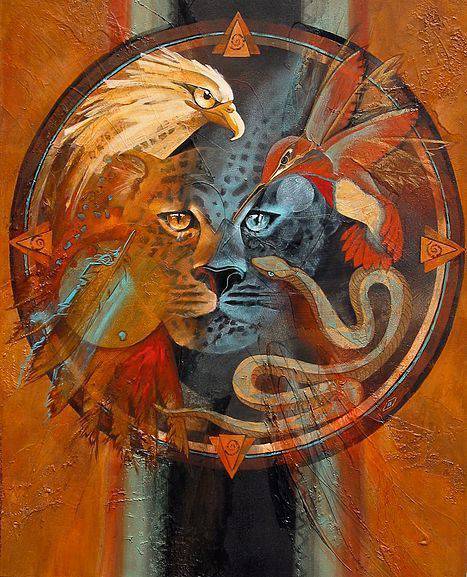
In shamanic tradition, each person is thought to have an animal totem — sometimes called a power animal or guide. It may take the form of a wolf, a tiger, or simply an animal you have long felt drawn to without ever quite knowing why. As one shamanic teacher trained with the Foundation for Shamanic Studies in the United States explains, the totem animal acts as a bridge between our inner life and the qualities of the animal world.
This idea is not presented as a passing fascination, but as part of a much older spiritual understanding in which human beings remain deeply connected to nature and to the forces it embodies. In that context, the animal totem is more than a symbol: it is a presence, a guide, and a way of recognising certain strengths, instincts or forms of wisdom that may already be moving quietly through our lives.
For many people, what is striking is not the exotic side of the idea, but its intimacy. The animal that returns in dreams, captures your attention again and again, or seems to accompany certain turning points in life can begin to feel less like a random image and more like a thread. Whether one takes that literally or symbolically, the experience often carries the same emotional texture: recognition, curiosity, and a sense that something in the natural world is mirroring something within.
In short: what does a totem animal mean?
A totem animal is a symbolic or spiritual figure associated with qualities, instincts and guidance. In shamanic traditions, it is not simply a favorite animal; it is approached as a meaningful presence that can reflect a person's path, challenge or inner strength.
- A totem may appear through dreams, encounters, images or ritual.
- Its meaning depends on context, tradition and personal resonance.
- The subject asks for respect toward Indigenous and shamanic origins.
- Symbolic interpretation should stay humble rather than absolute.
For a wider foundation, read What Is Spirituality?. For a free contemplative sound cue, receive the Sacred Frequency Session.
Where Totems Come From and What They Were Meant to Hold
The origins of totems in Indigenous tradition
Before trying to understand what it means to meet your spirit animal, it helps to go back to the origins of the totem itself. Among Native American peoples, totems were traditionally carved from red cedar and often took animal form. These figures were never purely decorative. Each animal carried a precise meaning and could embody a particular quality, temperament or character trait recognised within the community.
At the time, the totem was understood as the expression of a supernatural force, one capable of passing on its power to the people connected to it. That is why these carved forms held such importance: they were part of a symbolic language in which the animal world was seen as a source of strength, protection and transmission.
It is worth lingering on that for a moment. In many modern settings, symbols are treated lightly, almost as aesthetic choices. In older ceremonial traditions, they were held with far more gravity. An animal figure was not simply there to please the eye; it carried memory, status, kinship, and a way of understanding the place of human beings within a wider living order.
- red cedar carvings
- animal figures with specific meanings
- links to qualities or traits
Ceremony, ancestry and the role of the shaman
Totems were also used during important ceremonies. They could include several figures stacked one above another, to be read from top to bottom, and they did more than represent spiritual forces: they also told the stories of a tribe’s ancestors. In that sense, a totem brought together memory, identity and spiritual meaning in a single object.
Within this tradition, the rituals connected to totems were not carried out by just anyone. They belonged to the shamans, who were seen as the only people able to mediate this relationship and guide someone towards an encounter with their animal-totem. In shamanic understanding, the totem is therefore not just a symbol to admire from afar, but part of a living ritual world in which the animal guide, the community and the spiritual realm remain closely linked.
That ancestral dimension matters. A totem does not stand alone; it belongs to a web of stories, obligations and inherited meanings. This is one reason the subject asks for a certain humility. However personally moving the idea of an animal guide may feel, it comes from traditions in which the visible and invisible worlds were not neatly separated, and in which ritual knowledge was held with care rather than consumed casually.
How an Animal Totem Is Said to Make Itself Known
Recognising the encounter in everyday life
Meeting your animal totem is not necessarily something dramatic or rare. In shamanic belief, it may happen during an ordinary walk, in the middle of a moment that seems completely unremarkable at first. Of course, we all come across animals from time to time, and most of those encounters remain just that: simple, passing moments. What is said to make the difference is the quality of the experience itself. Nature is often seen as a doorway to wider awareness, even to spirituality, which is why attentiveness matters so much.
If you move through the world with real presence, your animal totem may reveal itself in many forms: a bird circling above you, an animal that suddenly crosses your path, or even a rock or a tree that seems to carry an unusual symbolic force.
And according to this tradition, such a meeting does not have to happen outdoors. An animal image on a poster, a T-shirt or another everyday object can also feel strangely charged, as though it were trying to speak directly to you. The sign is not simply that you have noticed an animal, but that you feel something distinct in its presence. Where an ordinary encounter leaves you untouched, this one creates a particular sensation: a pull, a sense of recognition, the impression that you are somehow linked to that animal. That inner response is often described as the clearest clue that the encounter means more than chance.
People often describe this kind of moment in very simple terms. They do not always say, “I had a spiritual experience.” More often, they say that something made them stop. They looked twice. They felt unexpectedly moved, unsettled, or accompanied. The encounter lingered long after the moment had passed. That lingering quality is often what gives it weight.
There is also a difference between liking an animal and feeling claimed by it. Many of us admire certain creatures for obvious reasons: their beauty, strength or mystery. A totemic encounter, by contrast, is said to feel more personal and less chosen. It can arrive through an animal you would not have selected for yourself, yet one that seems to reflect a truth about your current life with surprising precision.
- A sudden feeling of attraction or recognition
- The sense that the image or animal is addressing you personally
- An encounter that feels different from an ordinary sighting
The shaman’s role and the message of the animal
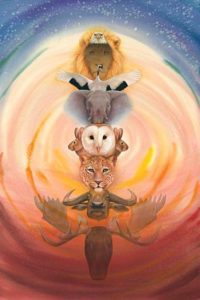
Traditionally, one of the most common ways of seeking this encounter is to turn to a shaman. In shamanic practice, the shaman is the person believed to hold a particularly strong spiritual bond with the animal world and to help create a link between a person and their animal totem. More broadly, shamanism is understood as a spiritual path that binds human beings closely to nature. To enter into contact with an animal totem, shamans may dance while beating drums, using rhythm and movement to enter a modified state of consciousness.
Related offer
Shamanic Consciousness
Based on studies and research into the shamanic state of consciousness, this music contains the frequencies of the waves...
View productThis can take the form of the Guardian Spirit dance, accompanied by gestures associated with power animals, or of a ritual known as a shamanic journey, through which the shaman connects with the forces of the animal world and establishes a relationship between the person and the guide that corresponds to them.
Within this worldview, there is also the idea of a deeper reality beyond the visible one, inhabited by compassionate spirits that watch over us. The shamanic therapist Sandra Ingerman writes that this presence may appear in our lives in the form of an animal, a tree or a plant. That is why the relationship between humans and the living world is so central here. Each animal totem is thought to carry its own qualities and benefits: some are associated with “medicine”, others with strength or a more specific gift. The bear, for instance, is linked with inwardness, the deer with leadership, and the eagle with keen vision.
When such an animal appears, especially at a decisive moment in life, it is often understood as more than a symbol. It may be a message, a form of guidance, or a source of support that helps you see more clearly, face a problem differently and draw on a strength you did not realise you had.
What the shaman offers, in this sense, is not a theatrical performance but a framework. Rhythm, repetition, silence, gesture and intention all help create the conditions in which a person can listen differently. In ordinary life, the mind is noisy and quick to dismiss what it cannot immediately explain. Ritual slows that reflex. It gives symbolic experience room to emerge and be received with seriousness.
The message associated with an animal totem is not always flattering, either. Sometimes the animal seems to bring comfort; sometimes it brings a challenge. A bear may call for retreat and honest inwardness when a person would rather keep rushing forward. An eagle may ask for perspective when someone is trapped in immediate emotion. A deer may suggest dignity, sensitivity and steadiness rather than force. The guidance is often subtle, but it tends to meet the person where they are.
- Bear: inwardness
- Deer: leadership
- Eagle: piercing vision
How to Approach Totem Signs With Respect
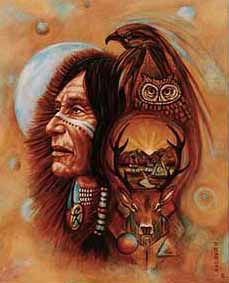
The modern interest in totem animals can be meaningful, but it also needs care. These ideas come from traditions where symbols, rituals and relationships with nature were held seriously. They should not be reduced to a personality quiz.
A respectful approach asks what the sign awakens in you, while also remembering that the tradition itself is larger than personal interpretation.
It can also help to separate three layers: the animal as a living being, the animal as a cultural symbol and the animal as a personal mirror. The first layer asks for respect toward nature. The second asks for humility toward traditions that did not begin as modern self-development tools. The third asks what the image reveals about courage, patience, instinct, protection, freedom or vulnerability in your own life.
When a symbol returns again and again, avoid rushing to a single definition. Instead, notice the situation around it. Did it appear during a transition, a conflict, a period of solitude or a moment of renewed confidence? Meaning often becomes clearer through pattern, not through one isolated sign.
The useful test is integration. If the symbol of a wolf, owl, horse or turtle leaves you more attentive, patient, courageous or protective, it has already served a purpose. If it becomes a rigid identity, the symbol may need to be held more lightly, with curiosity restored before certainty takes over in daily life.
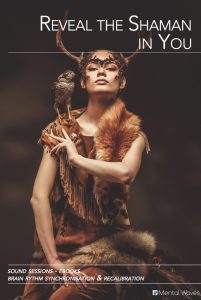
Related offer
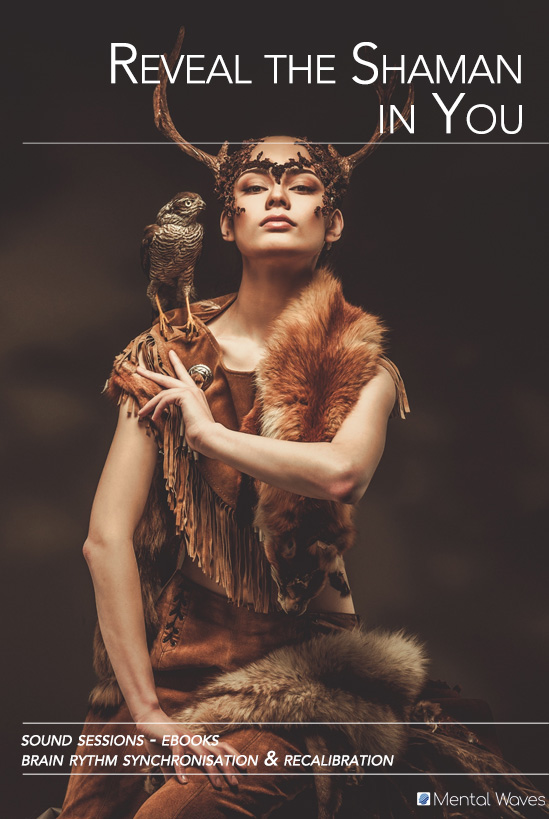
Reveal your inner Shaman
Find physical and spiritual balance... Meet your totem animal and its powers... Travel through...
View product- Notice repeated symbols without forcing a conclusion.
- Ask what quality the animal seems to mirror.
- Stay respectful of the cultural and ritual origins of the idea.
- Use the insight to live with more attention and integrity.
The Mental Waves Totem Discernment Framework
The Mental Waves frame is to treat a totem animal as symbolic guidance, not as a fixed label. The value is in the attention it awakens and the qualities it asks you to embody.
- Observe: notice the sign, dream or repeated encounter.
- Reflect: ask what instinct, strength or boundary it evokes.
- Respect: remember the tradition behind the symbol.
- Integrate: turn the insight into one grounded action.
For another symbolic tradition, continue with Triskell Symbol Meaning. For inner imagery practice, read Creative Visualization.
Editorial note from Mental Waves
This article is educational and reflective. Totem animal interpretation should be approached with cultural respect, personal discernment and without claiming certainty over another person's spiritual path.
Conclusion
In the shamanic view, an animal totem is not just a symbol to choose because it appeals to us. It is understood as a living bridge between the self and the qualities of the animal world, rooted in older ceremonial traditions where totems carried memory, ancestry and spiritual meaning. That matters, because it shifts the idea away from a decorative curiosity and towards a relationship: something felt, interpreted and approached with attention.
What emerges most clearly is this balance between openness and discernment. A totem animal may be said to appear in nature, in an unexpected image, or through shamanic ritual, yet the encounter is described less as a spectacle than as a particular inner recognition. In that sense, the message of the animal is never entirely separate from the moment a person is living through; it is tied to guidance, strength, insight or inwardness, depending on what is being asked of them.
Perhaps that is why the idea still resonates: it invites us to look at the natural world not as background, but as presence.
Even for readers who approach the subject cautiously, there is something quietly valuable in that invitation. To pay closer attention to the creatures, images and patterns that stir us is already to step out of habit and into a more reflective way of seeing. Whether one understands the animal totem as spiritual reality, symbolic language or a meeting point between the two, it asks the same thing of us in the end: attentiveness, respect, and the willingness to notice when life is trying to speak in a form older than words.
Frequently Asked Questions About Totem Animal Meaning
What is a totem animal?
A totem animal is a symbolic or spiritual guide associated with qualities, instincts and a relationship with the natural world.
Is a totem animal just a favorite animal?
No. A favorite animal is a preference, while a totem is understood as a meaningful guide or symbol.
How can a totem animal appear?
It may appear through repeated encounters, dreams, images, rituals or a strong sense of recognition.
What can a bear symbolize?
A bear is often associated with inwardness, strength, rest and protective presence.
What can an eagle symbolize?
An eagle is often linked with vision, perspective and a wider view of life.
What can a deer symbolize?
A deer can suggest sensitivity, grace, leadership and gentle alertness.
Can a totem animal change over time?
Some traditions and interpretations allow different guides to appear at different life stages or moments.
Why does cultural respect matter?
Because totem ideas come from living traditions, not only modern personal symbolism.
What is the main takeaway?
A totem animal is most useful when it invites respect, attention and embodied qualities rather than rigid certainty.