en
enVotre panier est vide.


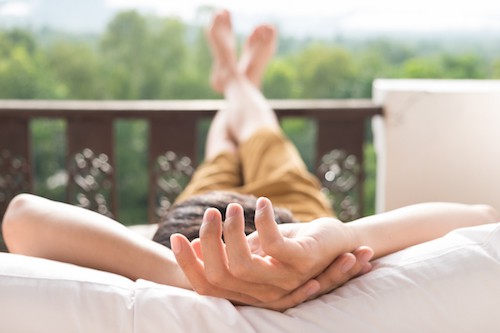
Before an important event, it is perfectly possible to feel several things at once. Excitement often comes first, but it rarely arrives on its own: the mind starts racing ahead, replaying what might happen, and that anticipation can quickly tip into real anxiety. When that inner pressure builds for too long, it becomes much harder to stay steady. The aim, then, is not to suppress those feelings, but to prepare for them well enough that they do not take over.
That preparation matters on two levels. There is the practical side, which helps you feel more grounded before the day itself, and there is the mental side, which makes it easier to loosen the grip of dark thoughts, frustration and tension. With the right approach, and a few relaxation habits that genuinely help, it becomes far easier to arrive at an important moment feeling calmer, clearer and more in control.
In short: how do you relax before an important event?
To relax before an important event, prepare the practical details early, reduce stimulating inputs, use one short body-based relaxation practice and give your attention a steady sound cue. The goal is not to erase every nerve. It is to make the body feel safer, the mind less scattered and the next step easier to take.
- Prepare the essentials before the final day so the mind has fewer open loops.
- Reduce avoidable stimulation, including late-night scrolling, rushed conversations and too much caffeine if you are sensitive to it.
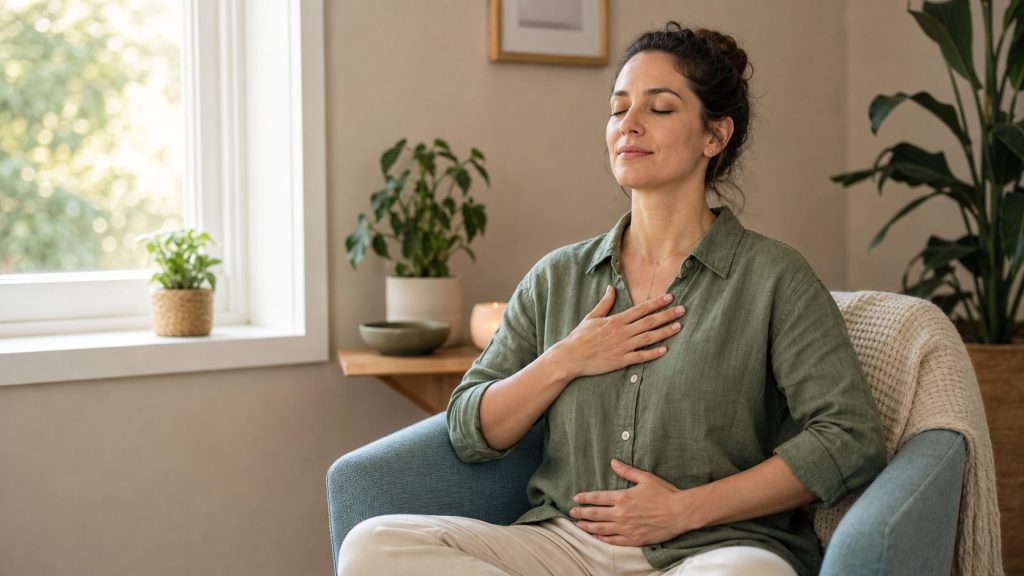
- Use progressive muscle relaxation, slow breathing or a short meditation to discharge tension from the body.
- Use a calm audio cue, such as the Free 10-Minute Mental Reset Session, to create a clean transition before the event.
If the event involves public speaking, performance or being watched, the Overcoming Stage Fright session is the strongest related Mental Waves product. If the main issue is general nervous tension, Anxiety Reducer is the more direct support.
The Mental Waves 24-Hour Event Calm Framework
At Mental Waves, pre-event calm is treated as a sequence rather than a last-minute trick. Most people wait until anxiety is already high, then try to force themselves to relax. A better approach is to create fewer demands before the event and give the nervous system repeated cues of safety.
- Close the practical loops: prepare clothing, route, documents, notes and timing early.
- Lower the input load: reduce noise, arguments, stimulants and screen switching the night before.
- Reset attention: use a short sound ritual to move from anticipation into presence.
- Release the body: soften the jaw, shoulders, hands and abdomen before trying to think clearly.
- Arrive with one cue: choose a phrase, breath or sound you can return to when the moment begins.
This is why sound can be useful before a major appointment, exam, ceremony, presentation or performance. A familiar track does not solve the event for you. It simply gives the mind one stable place to land while the body remembers that it can settle.
Prepare Early to Take the Pressure Down
Create a calmer frame of mind before the day arrives
When an important event is coming up, good preparation really does make a difference. It helps you feel steadier, more in control and less likely to be overwhelmed at the last minute. One of the simplest ways to settle yourself is to listen to calm, gentle music. It is often one of the best ways to unwind, because soft music can have a soothing effect on the brain, help you step back from the noise around you and give your mind something more peaceful to focus on.

If music is not enough to ease the tension, it can help to turn deliberately towards more positive thoughts. Stress before a big moment is often fed by dark thoughts about what might go wrong, especially the fear of failing when it matters most. Reminding yourself that things can go well, that you are capable, and that you are ready for this can gradually loosen that grip. It is not about pretending everything is perfect, but about refusing to let anxious thoughts take over the whole space.
- Listen to soft, calming music
- Give your mind a gentler focus
- Replace worst-case thinking with steadier self-talk
Avoid what heightens stress and stay connected to others
Preparation also means noticing what makes your nerves worse. On the eve of the event, it is often wiser to avoid stimulants such as caffeine or fizzy drinks, especially if you already know you are someone who becomes stressed easily. These can make you feel more tense, more restless and less able to settle. Small choices like this may seem minor, but they can have a real effect when your body is already on edge.
And if the stress still does not lift, do not stay alone with it for too long. Keeping an active social life, even in a simple way, can help more than people sometimes expect. Talking with others, hearing another voice, or sharing what you are feeling can make you feel lighter, freer and less trapped in your own thoughts. Before an important event, that sense of connection can be just as valuable as any practical preparation.
Use Simple Relaxation Techniques to Regain Your Balance
When preparation is not enough, calm the mind as well as the body
Even with the best preparation, stress does not always fade on its own. As the event gets closer, it is easy to lose sight of what matters most: staying relaxed enough to be fully present when the moment arrives. That is often when frustration and anxiety start to build, especially if you feel you have done everything you can and still cannot switch off.
Related offer
Anxiety reducer
This session uses Alpha and Beta wave stimulation to relax, alleviate...
View productIn that situation, practical preparation needs to be matched by mental preparation. A real sense of ease before an important event often comes from a better balance between the body and the mind. When the two are working together, you are far more likely to feel steady, focused and comfortable rather than overwhelmed at the crucial moment.
Two techniques that can genuinely help before a big event
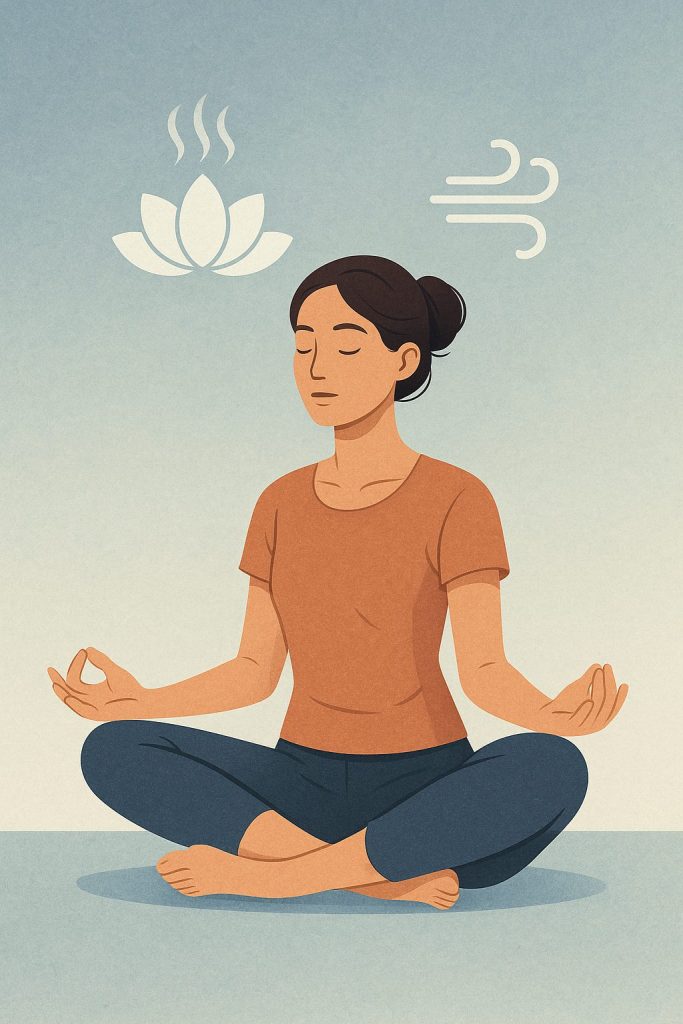
To create that calmer state, a few targeted relaxation exercises can make a real difference. Meditation, for example, can help you regain control of your concentration instead of letting your thoughts spiral towards the event. Its purpose is not to make everything disappear, but to help you manage the anxiety you may feel beforehand with a little more distance and clarity.
Progressive muscle relaxation is another very effective option if tension has started to settle into the body. By deliberately releasing one area after another, it helps reduce the frustration and nervous pressure that can build up before an important occasion. It only takes around 15 minutes, yet that short pause can be enough to leave you feeling noticeably more relaxed before you have to face the event itself.
- Meditation helps steady your concentration.
- Progressive muscle relaxation eases physical tension.
- Both can help reduce anxiety before the event.
7 calm tips to use before an important event
The best pre-event routine is simple enough to remember when pressure rises. These seven tips work together: they reduce uncertainty, lower body tension and give attention one clear track to follow.
- Pack and prepare earlier than feels necessary. Anxiety often grows around small unfinished details. Put clothes, notes, route information, charger, water and documents in place before the final evening so the mind is not trying to solve everything at once.
- Choose a realistic success image. Do not force a perfect fantasy. Picture yourself arriving, breathing, beginning and handling one imperfect moment calmly. The nervous system trusts believable rehearsal more than exaggerated positivity.
- Use one short sound ritual. A familiar calming track can act like a doorway between ordinary stress and event mode. Keep it short, repeatable and emotionally neutral so it steadies attention without making the moment feel dramatic.
- Move tension out of the body. Walk slowly, stretch the shoulders, release the hands or use progressive muscle relaxation. When the body remains braced, the mind often keeps searching for danger.
- Reduce the last-hour noise. Avoid unnecessary messages, debates, scrolling and frantic checking. Too much information right before the event gives the brain more material to turn into worry.
- Speak to yourself in operational language. Replace “I must not fail” with “I will take the first step, then the next one.” Simple instructions are easier to follow than emotional pressure.
- Leave a quiet landing after the event. Calm is easier to build when the body knows there will be recovery afterwards. Plan a small decompression moment instead of rushing immediately into the next demand.
These tips are deliberately ordinary. That is their strength. Before an important event, the nervous system does not need a complicated philosophy; it needs repeated signals that the situation is prepared, bounded and survivable.
Adjust the routine to the type of event
Not every important event creates the same kind of pressure. A job interview may trigger fear of judgement. An exam may trigger fear of blanking. A ceremony may stir emotion, while a performance may activate the body with adrenaline. The calming routine works best when it matches the pressure point.
- For public speaking: rehearse the first sentence, then practise pausing. The opening matters because it gives the body proof that the event has begun and you are still standing.
- For exams or tests: avoid last-minute information overload. Use a short review, then switch to breath, hydration and a calm audio cue so memory is not buried under panic.
- For interviews: prepare three clear stories about your experience. Specific examples reduce the need to improvise everything under stress.
- For emotional events: give yourself permission to feel something. Calm does not always mean neutral; sometimes it means staying present while emotion moves through.
This tailored approach avoids a common mistake: using the same generic relaxation advice for every situation. The more precisely you understand the demand, the easier it becomes to choose the right support. You are not trying to become perfectly calm; you are creating enough steadiness to meet the moment with clarity, dignity and a little more trust in your own preparation, step by step.
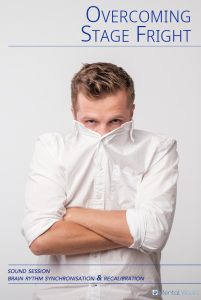
Related offer
Overcoming stage fright
Session permettant de soulager l'anxiété et la timidité, de mieux réussir à parler en public ou d'animer une…
View productA simple timeline for the day before and the day itself
| Moment | What to do | Why it helps |
|---|---|---|
| 24 hours before | Prepare the practical details and remove avoidable uncertainty. | Fewer open loops means fewer reasons for the mind to rehearse problems. |
| Evening before | Keep stimulation low and choose one calming audio cue. | The body starts associating the event with preparation rather than panic. |
| Morning of the event | Use five slow breaths, light movement and a short sound reset. | This brings attention back to the body before thoughts accelerate. |
| Final minutes | Return to one cue: breath, posture, phrase or sound memory. | A simple cue is easier to remember than a complex technique under pressure. |
What research can and cannot say
NIMH describes anxiety as a normal part of life, while anxiety disorders involve fear or worry that does not go away and interferes with daily functioning. That distinction matters here. Pre-event nerves are common; persistent, disabling or escalating anxiety deserves proper professional support.
NCCIH describes relaxation techniques as practices that help bring about a relaxation response, with slower breathing, lower blood pressure and reduced heart rate. Its music and health overview also notes that listening to or making music affects brain systems involved in emotion, movement and attention, although the evidence varies by use case.
Sources and further reading
- Anxiety Disorders, National Institute of Mental Health.
- Relaxation Techniques: What You Need To Know, NCCIH.
- Music and Health: What You Need To Know, NCCIH.
Editorial note from Mental Waves
This article is a practical wellness guide for ordinary pre-event nerves. It is not a diagnostic guide, crisis resource or replacement for qualified support when anxiety is persistent, severe, linked to trauma or interfering with daily life.
Conclusion
Before an important event, the aim is not to eliminate every trace of nerves, but to stop them from taking over. A little anticipation, a calmer environment, fewer stimulants and a bit of contact with other people can all help bring things back into proportion. What matters most is finding what genuinely settles you, rather than forcing yourself to “stay calm” at all costs.
And when preparation alone is not enough, it helps to remember that stress is felt in both the mind and the body. Simple, concrete practices such as meditation or progressive muscle relaxation can create enough space to breathe, refocus and arrive more grounded. Sometimes that is all you need: not to become a different person for the occasion, but to meet it with a little more steadiness.
Frequently asked questions about relaxing before an important event
Why do important events trigger anxiety?
Important events create anticipation, uncertainty and a sense of being evaluated. The mind starts rehearsing what could happen, while the body prepares for action. That combination can feel like anxiety even when the event is positive.
What is the fastest way to calm down before an event?
Use one simple body cue first: slow the breath, release the shoulders and unclench the jaw. Then use a short sound cue or grounding phrase. Physical settling usually works better than arguing with anxious thoughts.
Should I listen to music before an important event?
Yes, if the music genuinely steadies you. Choose something predictable, low-pressure and familiar. Avoid tracks that make you overthink, relive emotional memories or become more activated than you want to be.
How long before the event should I start relaxing?
Start the day before by reducing avoidable stress, then use a short routine on the day itself. A five-to-ten-minute reset is often easier to apply than a long routine you may abandon when time is tight.
Can caffeine make event nerves worse?
For some people, yes. If caffeine makes you shaky, restless or more alert than comfortable, reduce it before the event. The aim is not strict avoidance for everyone, but avoiding inputs that make your own nervous system louder.
What if preparation does not remove the anxiety?
That is normal. Preparation is meant to reduce pressure, not erase every feeling. Pair practical readiness with body-based relaxation and connection with someone supportive if your thoughts keep looping.
Is progressive muscle relaxation useful before a big moment?
Yes, it can be useful when tension is physical. By tensing and releasing muscle groups, you give the body a clear contrast between bracing and letting go, which can make calm easier to feel.
Which Mental Waves session fits event stress?
For a short transition, start with the Free 10-Minute Mental Reset Session. For public speaking or performance nerves, Overcoming Stage Fright is more specific. For general nervous tension, Anxiety Reducer is the closest product match.
When should I seek help for event anxiety?
Seek qualified help if anxiety is persistent, severe, causes avoidance, triggers panic, follows trauma or interferes with work, study, relationships or daily functioning. Self-care can support you, but it should not isolate you from proper care.