en
enVotre panier est vide.


Meditation is now widely recognised for the way it can support everyday wellbeing, yet not every practice works in quite the same way. Attentive meditation, also known as Vipassana, turns the gaze inward. Rather than dwelling on the outer setting, it asks you to stay with what is happening within, in the present moment, without being pulled backwards by the past or forwards by what has not yet happened. For anyone who feels worn down by a constant stream of intrusive thoughts, that shift can be quietly transformative: less mental noise, more space to actually experience life as it is.
Despite its name, this is not about forcing the mind to fix itself on a single object. It is more subtle than that. Vipassana develops a quality of awareness in which you become a kind of silent witness: present, alert and conscious of what is unfolding, but with enough distance not to be swept away by every sensation, thought or reaction. That does not mean becoming passive or detached from daily life. On the contrary, this form of meditation can help you pause, see more clearly, and make choices that are more grounded in your own reality and capacities.
In short: mindfulness meditation or Vipassana?
Mindfulness meditation and Vipassana both train attention to present experience, but Vipassana is usually framed as insight practice while mindfulness is often taught as accessible present-moment awareness. Both can begin simply with breath and body observation.
- Mindfulness notices the present moment with less judgement.
- Vipassana develops insight into changing sensations and mental patterns.
- Both practices benefit from patience and regularity.
- The safest starting point is short, gentle observation.
For a guided reset before practice, try the free Mental Reset Session. For breath basics, read Breathing Techniques.
What Vipassana Really Means in Daily Life
A practice centred on inner awareness
We now know that meditation can have a real effect on the way we live, think and respond to daily pressure. Among the many approaches that exist, attentive meditation, also known as Vipassana, has a very particular flavour. Rather than focusing on the outer world or on the physical details of your surroundings, it invites you to turn towards what is happening within you, in the present moment, without getting caught up in the past or projecting yourself into the future. For people whose minds are constantly crowded with intrusive thoughts, mental noise and that relentless inner commentary that makes it hard to be fully present, this practice can feel like a genuine relief.
It often helps to quieten mental overactivity, not by force, but by changing the way attention is used.
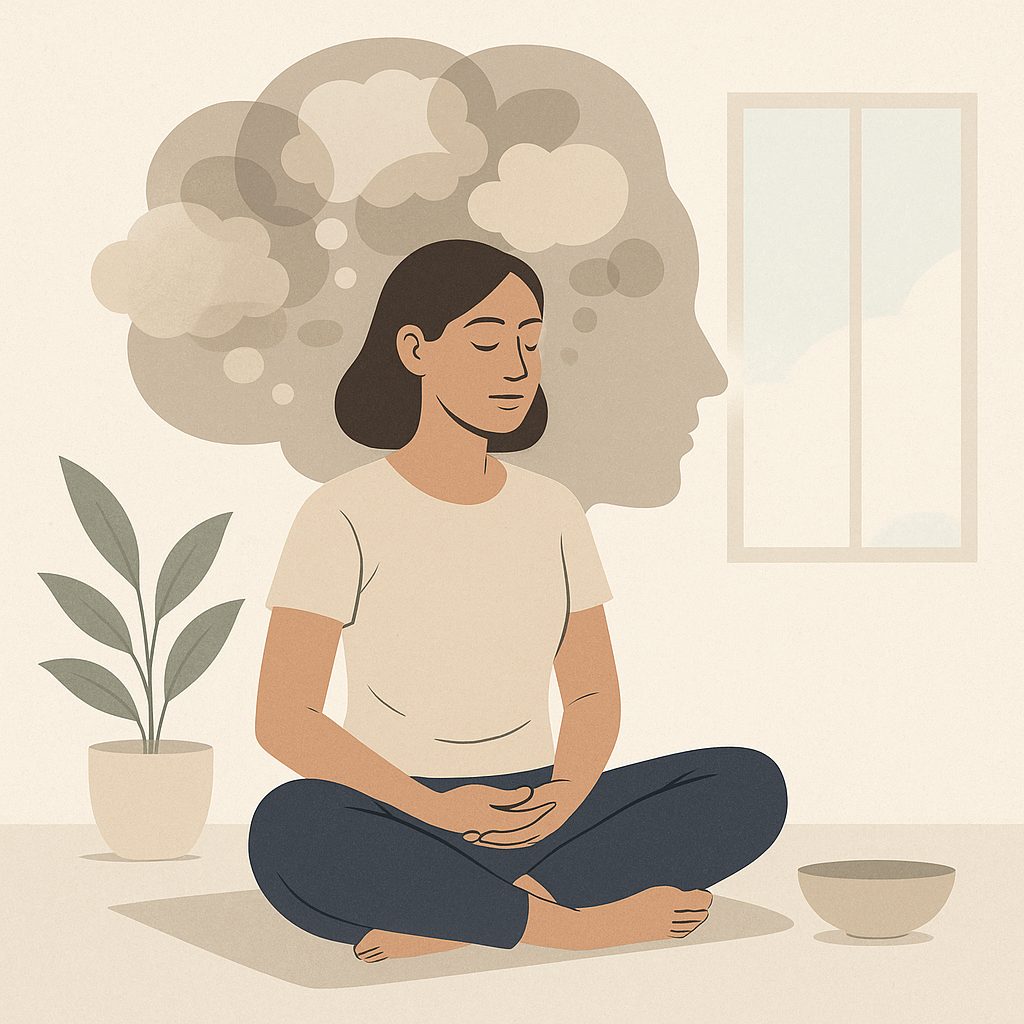
That is also why the name can be slightly misleading. In attentive meditation, you are not trying to pin your mind to one single object and hold it there at all costs. The real focus is on the quality of awareness itself, on the depth and clarity of consciousness. You become what is often called a silent witness: aware of what is there, but with a little distance, a little height, and without immediately reacting to everything that arises. This does not mean becoming passive or withdrawn from life. Quite the opposite.
Vipassana creates a pause between experience and reaction, and in that pause you can reflect, regain perspective and make choices that are more aligned with your own reality and capacities.
- It brings attention back to the present moment.
- It helps reduce the sense of mental overload.
- It encourages clearer, more grounded choices.
Two simple ways to begin practising
There are, broadly speaking, two ways to open yourself to this form of meditation. The first is more structured, and yoga is a good example. Practised in this spirit, yoga rests on the same foundation as attentive meditation: attention anchored in the here and now. You follow each movement slowly and deliberately, fully aware of the position of the body, the sensations it produces and the subtle shifts taking place in the mind. This creates a state of attentive consciousness in which you are present to every gesture rather than moving mechanically. Breathing also becomes central.
You learn to breathe fully, to feel the breath fill the body and then leave it, as though it were carrying away stress, anxiety, doubt and fear. In that sense, yoga can become a disciplined doorway into a more attentive way of living.
The second approach is more sensory and can be woven into ordinary life. Here, the aim is to experience each action as if it were new, through sounds, smells, textures, movement and feeling. Take something as simple as eating a piece of fruit. Most of the time, we do it automatically, perhaps while watching television or reading, barely noticing the act itself. In attentive meditation, that same gesture becomes a complete experience. You feel the fruit in your hand, notice its colour, its scent and its weight. You hear the skin crack as you bite into it, sense the texture inside and the way the juice moves as you chew.
The point is not the fruit itself, but the quality of presence you bring to the moment. And this applies far beyond eating: your hand on the steering wheel, the movement of a pen across paper, the simple act of getting dressed. Repeated again and again, this sensory way of paying attention can become a natural reflex, bringing the wider benefits of meditation into everyday life and, at times, a simple, reviving sense of wellbeing many times a day.
- Structured practice: yoga, breath and deliberate movement.
- Sensory practice: bringing full awareness to ordinary actions.
Becoming the Silent Witness of the Present Moment
What it means to observe without withdrawing from life
Vipassana, or attentive meditation, is not about fixing the mind on a single object. Despite what the name might suggest, the practice is less about narrowing your attention than refining the quality of your awareness. Rather than getting caught up in every thought, memory or anticipation, you learn to stay with what is happening inwardly, here and now. For people whose minds feel crowded with constant mental chatter, this can bring a real sense of relief. The aim is not to force the brain into silence, but to soften that inner noise so that experience becomes clearer and more liveable.
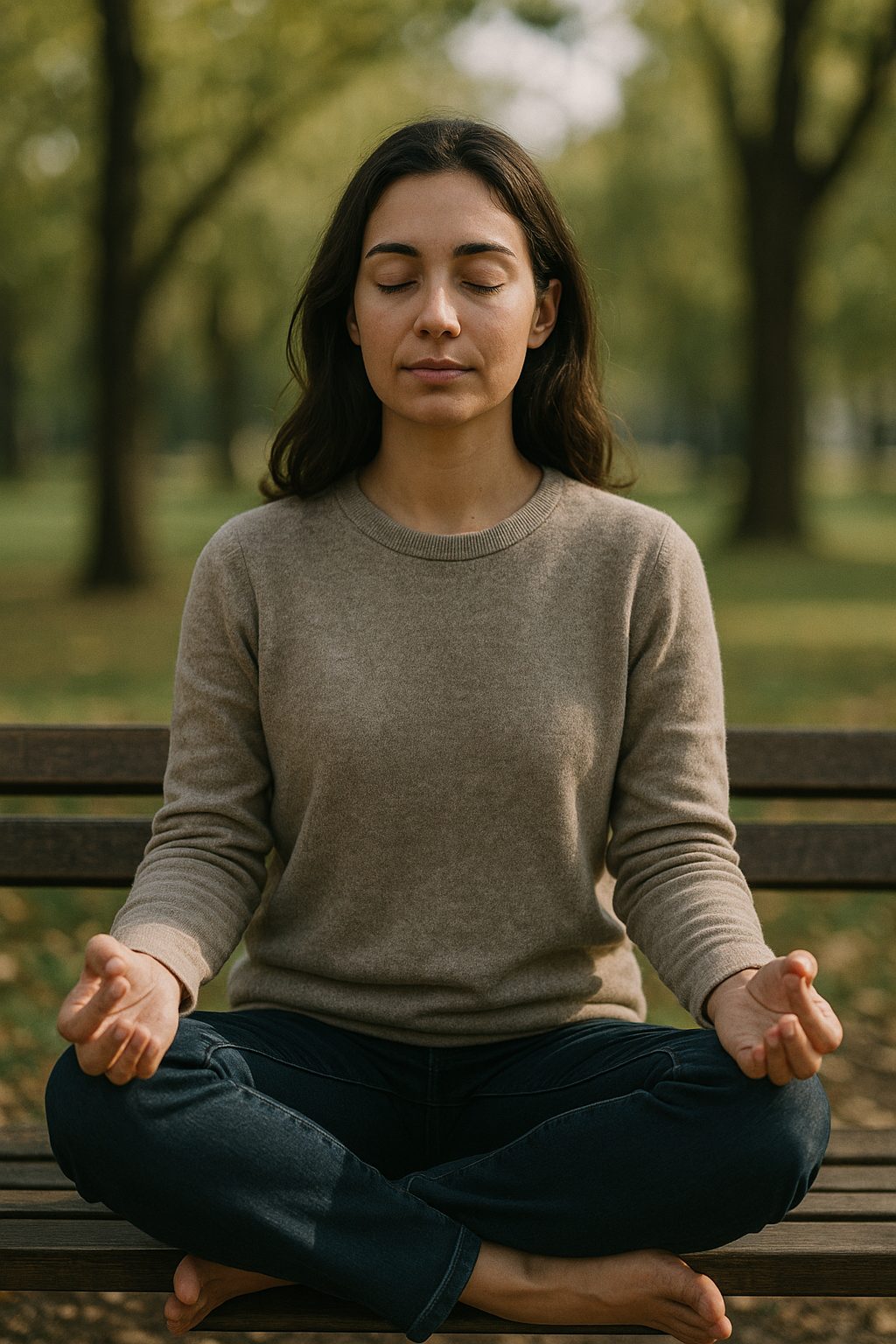
This is where the idea of the “silent witness” becomes useful. In attentive meditation, you remain aware of what is happening around you and within you, but with a little more distance and steadiness. You observe rather than react immediately. That does not mean becoming passive, detached from daily life or cut off from reality. Quite the opposite: this kind of awareness can help you pause, reflect and make choices that are more aligned with your real capacities, your needs and your inner truth, instead of acting automatically.
- less caught in past and future
- more aware of thoughts without being ruled by them
- better able to respond rather than react
Two concrete ways to practise attentive meditation
There are, broadly speaking, two ways to approach this meditation: one more structured, the other more sensory. A structured route can be found in Yoga, which rests on the same essential principle of returning to the present moment. As you move through each posture, slowly and with care, your attention stays with the body: the position of a limb, the rhythm of the breath, the sensation of effort or release. Practised in this spirit, Yoga becomes a form of attentive consciousness. You are fully present to your movements, your sensations and the subtle shifts taking place in the mind.
Breathing also takes on a central role: you learn to feel it fill the body, then leave it, carrying away stress, anxiety, doubt and fear.
The second path is more sensory and can be woven into ordinary life. Here, every action becomes something to experience fully rather than perform mechanically. Take something as simple as eating a piece of fruit. Usually, it is done absent-mindedly, perhaps while reading or watching television. In attentive meditation, the same gesture becomes a complete experience: you notice the fruit in your hand, its colour, its scent and its weight; then, as you bite into it, you hear the skin break, feel the texture inside and register the juice as you taste it.
The principle is the same in countless everyday moments: your hand on the steering wheel, the movement of a pen across paper, the act of getting dressed. Repeated often enough, this kind of sensorial awareness can become a natural reflex, bringing the wider benefits of meditation into the day not once, but many times over.
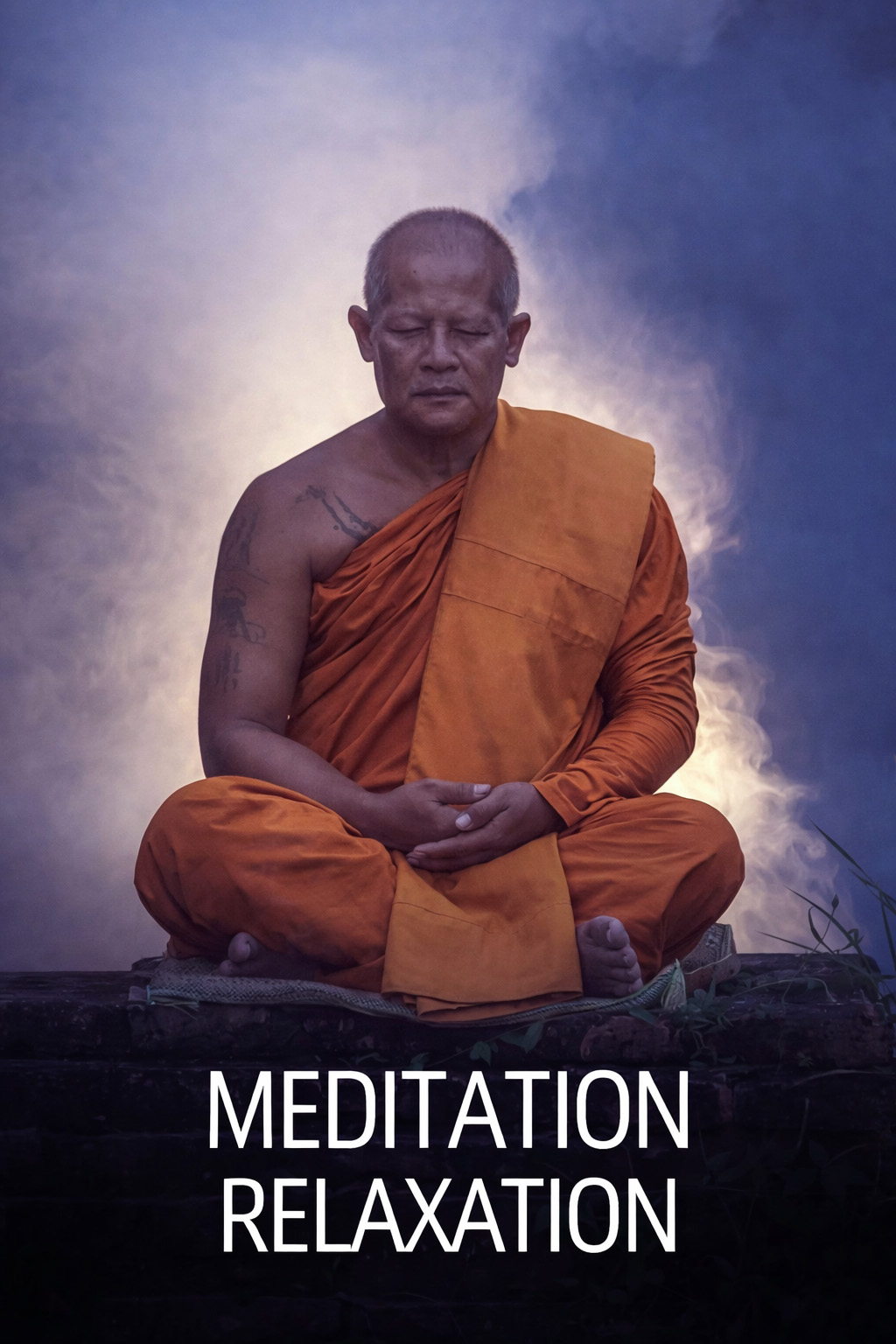
Related offer
Meditation - Relaxation set
All the Mental Waves® know-how in a single pack for quick and easy access to meditation and...
View product- Yoga as a structured, body-based practice
- Sensorial awareness in ordinary daily actions
Two Practical Ways to Cultivate Attentive Meditation
Using yoga as a structured path into present-moment awareness
If you want to open yourself to attentive meditation, one practical route is more structured and guided: yoga. This approach rests on the same foundation as Vipassana, because your attention is continually brought back to the present moment — here, now, in the body as it moves and settles. As you practise, you become attentive to each posture, each transition and each physical sensation. The movements are slow, deliberate and carefully shaped, which helps you stay fully aware of what you are doing instead of drifting into automatic behaviour. In that state of attentive consciousness, you are not simply exercising; you are noticing your sensations, your body and the subtle changes taking place in your mind.
Yoga also teaches you to breathe more fully and more consciously. You feel the breath enter, expand through the body, then leave again, as though it were carrying away stress, anxiety, doubt and fear. In that sense, it becomes a disciplined way of learning how to inhabit the present without forcing anything. The original idea is simple but powerful: by returning again and again to movement, posture and breath, you clear space within yourself and begin to live with a steadier, more attentive quality of mind.
- attention to movement and posture
- slow, codified practice that reduces automatic behaviour
- breath as an anchor for awareness and calm
Turning ordinary actions into fully lived sensory experience
The second path is more sensory and can be woven directly into everyday life. Here, the practice is based on sensorial awareness: sounds, smells, textures, movements and even thoughts are experienced more fully, instead of being rushed through half-consciously. A simple example makes this clear. Imagine you are hungry and pick up a piece of fruit. Usually, you might bite, chew and swallow almost mechanically, perhaps while watching television or reading. That is how many daily actions happen — quickly, automatically, with very little real presence. But in attentive meditation, even something as ordinary as eating a fruit becomes a complete experience.
You do not just take a bite. You notice what the fruit feels like in your hand, its colour, its smell and its weight. When you bite into it, you hear the skin crack, feel the texture inside and notice the juice as it spreads in your mouth. The point is not the fruit itself, but the quality of attention you bring to the act. Once you understand that, the same principle can be applied everywhere: your hand on the steering wheel, the movement of your pen across paper, the simple act of getting dressed. Repeated again and again, this way of sensing and noticing can bring the wider benefits of meditation into ordinary life.
And when it becomes natural, it can create a simple, refreshing sense of wellbeing many times throughout the day.
- notice colour, smell, weight and texture
- pay attention to sounds and bodily sensations
- apply the same awareness to driving, writing or dressing
Two Simple Ways to Begin
The first way is breath awareness. Sit comfortably, feel the body, and follow a few natural breaths without trying to improve them. When attention wanders, return to the next inhale or exhale.
The second way is body observation. Notice sensations as they appear: warmth, pressure, tingling, tension or ease. The aim is not to analyse every sensation, but to see change directly.
Both methods become more useful when the session is short enough to repeat. Five minutes every day can teach more than an ambitious session that feels like a battle.
When to Choose Mindfulness, and When to Choose Vipassana
Choose a simple mindfulness practice when life already feels crowded. If the nervous system is tired, breath awareness, sound awareness or a short body scan may be enough. The aim is to regain contact with the present without adding pressure.
Choose a more insight-oriented Vipassana approach when you feel ready to observe sensations and mental patterns with a little more precision. This can be powerful, but it also asks for patience. Insight practice is not about forcing hidden truths to appear; it is about seeing change directly, moment by moment.
For many people, the two approaches naturally support each other. Mindfulness steadies attention. Vipassana deepens investigation. A grounded practice does not need to turn the distinction into a competition.
Common Beginner Mistakes
The first mistake is trying to stop thought. Meditation does not require an empty mind. It asks for a different relationship to thought: noticing, returning and beginning again without drama.
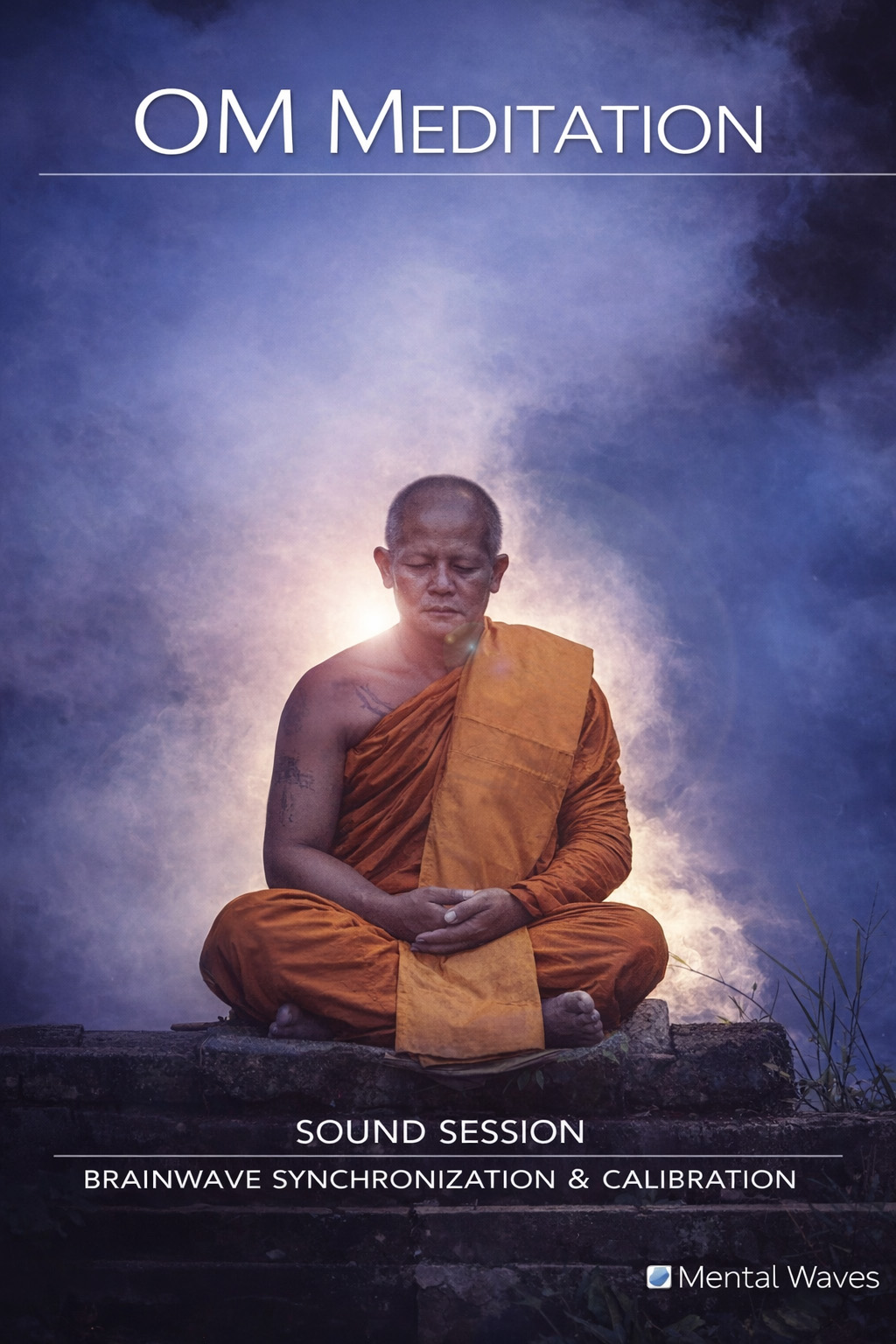
Related offer
OM Meditation
This music is based on the particular frequency of the sacred chant OM. Listening to this program, the term...
View productThe second mistake is pushing through discomfort too aggressively. Some restlessness is normal, but strong distress is information. Adjust posture, shorten the session or seek guidance when practice feels overwhelming.
The third mistake is judging progress by how peaceful the session feels. Some useful sessions are noisy inside. Progress may show up later as a calmer response, a more honest pause or one less automatic reaction.
The Mental Waves Mindfulness Practice Framework
The Mental Waves frame is to make awareness practical, embodied and kind.
- Arrive: notice posture and breath.
- Observe: let sensations and thoughts appear without rushing.
- Return: come back gently when attention wanders.
- Carry: bring one calmer action into daily life.
For more beginner options, continue with 5 Easy Ways to Meditate. For practice setup, read Meditation Space at Home.
Editorial note from Mental Waves
This article is educational. Mindfulness and Vipassana can support awareness, but people facing trauma, panic or persistent distress may need adapted practice and qualified support.
Conclusion
Vipassana, or attentive meditation, is not about cutting yourself off from life or forcing the mind into emptiness. Its real movement is subtler than that: learning to stay with what is here, inwardly and concretely, without being dragged away by mental noise, habit or anticipation. That quiet shift in attention can make ordinary experience feel less automatic and more fully lived — not because life changes all at once, but because your way of meeting it begins to change.
Whether it starts through the structure of yoga or through a more sensory attention to everyday gestures, the principle remains the same: presence is something you practise, not something you wait to feel. And over time, this “silent witness” is not a retreat from reality, but a steadier way of inhabiting it — with more clarity, more discernment and, often, a simpler kind of calm. Sometimes, that is already a profound transformation.
Frequently Asked Questions About Mindfulness and Vipassana
What is mindfulness meditation?
Mindfulness meditation trains present-moment awareness with openness and less automatic judgement.
What is Vipassana?
Vipassana is often described as insight meditation, observing changing sensations and mental patterns.
Are mindfulness and Vipassana the same?
They overlap, but Vipassana is a specific insight tradition while mindfulness is often taught more broadly.
How can a beginner start?
Start with a few minutes of breath awareness or body observation.
How long should practice last?
Short daily sessions are often more useful than occasional long sessions.
What if the mind wanders?
Wandering is normal. Notice it and return gently to the chosen anchor.
Can Vipassana feel intense?
It can for some people, especially in long retreats, so pacing and support matter.
Does meditation replace care?
No. It can support wellbeing, but it does not replace qualified help when needed.
What is the main takeaway?
Both practices become useful when awareness is gentle, repeatable and grounded in daily life.